
A kitchen staple since 1886, the dramatic fall of Del Monte, best known for tinned fruit and vegetables is perhaps a reflection on how consumer shopping and eating habits have changed. The iconic brand that built its business model around preserved foods has undoubtedly suffered as consumers now favour fresh foods, that are considered more healthy than tinned produce. A rise in refrigeration and no longer being restrained to fresh fruit and vegetables whilst in season must also be a contributing factor. Additionally, growing consumer preference for private label products has increased dramatically, putting established national brands that historically commanded premium pricing under increased pressure. Whilst the increased steel tariffs have also played their part increasing the cost of the canning process.
I grew up with the British actor Brian Jackson, playing the advertising character of the Man from Del Monte. The central figure in a worldwide advertising campaign for Del Monte Foods, the Man from Del Monte was part of a popular advertising campaign running from 1985 to 1991 across 30 countries with 25 television commercials
Jackson’s character was always dressed in a tropical linen suit and Panama hat, as he visited plantations to inspect the quality of produce. Upon quality appraising the fruit, he would signal acceptance with a nod and an extended index finger, prompting workers to celebrate with the iconic line: “The man from Del Monte, he say yes!”
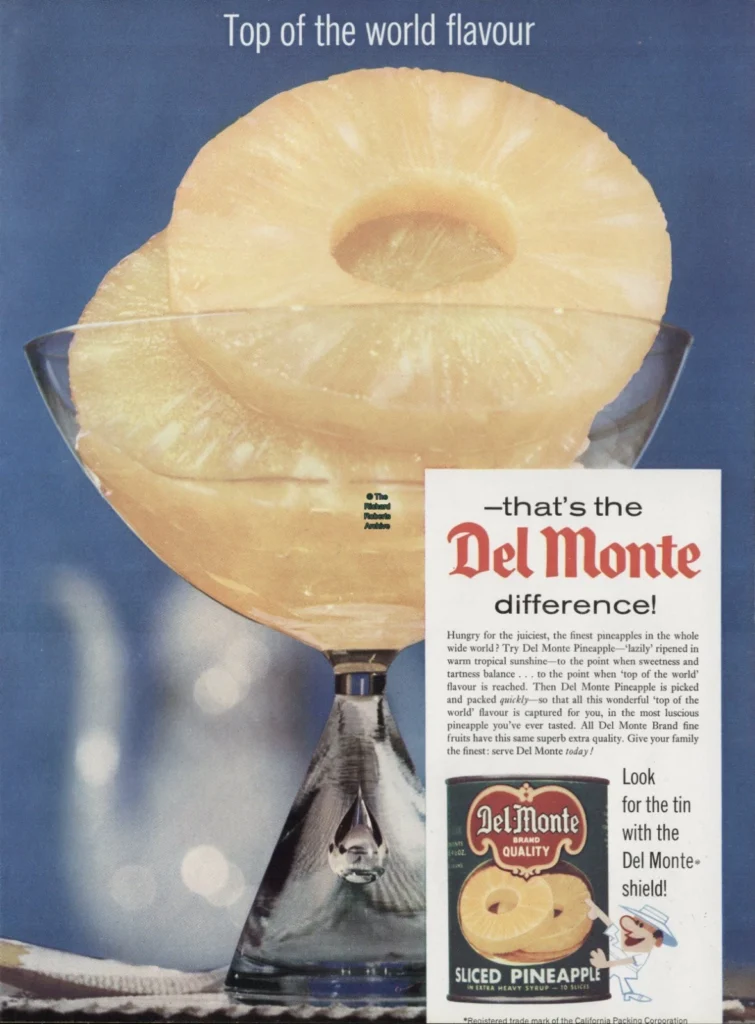
The brand Del Monte built a reputation for quality and was considered a premium brand in its tinned fruit operation, a testimony to the strength and popularity of its advertising campaign. For me Del Monte is a nostalgic brand and with a history spanning 138 years, I was very sad to hear of its demise. Central California peach farmers are now preparing to destroy approximately 420,000 clingstone peach trees following Del Monte Foods closure of its canneries earlier this year.
Del Monte permanently shut its Modesto and Hughson canneries a move that followed a Chapter 11 bankruptcy filing, in turn leaving farmers without 20-year contracts and facing financial insecurity and huge financial losses. Now emergency federal aid is being rolled out to affected farmers in response to the crisis and the assistance will help farmers remove approximately 3,000 acres of clingstone peach orchards before the upcoming harvest season, with the aim of preventing additional losses through oversupply.
Del Monte’s history began in 1886, with the company establishing its famous San Francisco cannery in 1907. This food production factory grew to become what the company proudly boasted to be the world’s largest fruit and vegetable cannery by 1909. This impressive industrial heritage represents more than a century of American food production innovation. It is part of not just American food history, but part of global food history and its demise reflect how consumers have become sceptical of processed and canned food, associating such products with preservatives, high sodium content, and reduced nutritional value. The fall of Del Monte is monumental for the canned food industry.

I remember as a child being served fruit cocktail from a tin, or tinned peaches after Sunday dinner with cream, that curdled with the syrup and juice. These memories are things that my children will never have, as I don’t think they’ve ever eaten a serving of tinned fruit cocktail, partly because I never liked the gritty pears. Though tinned pineapple and peaches I often use in recipes and are a great store cupboard staple. The demise of Del Monte is a significant one for food history and a devastating one for growers who typically had twenty year contracts and were financially dependent on Del Monte.
The Del Monte name will live on, as Del Monte Foods is not affiliated with Fresh Del Monte Produce, a separate publicly traded company that distributes fresh fruits and vegetables globally. The two companies share historical origins but have been distinct entities for decades, similarly, Del Monte Pacific Limited’s international operations; including Del Monte Philippines, are not included in the U.S. chapter 11 proceedings.
As the livelihoods of the Del Monte peach growers and crops are destroyed, it is sad to observe the fall of the canning giant that has been a household name for 138 years. Goodbye to the Man from Del Monte.


