 There is an increasing number of artisan soap and hand-made cosmetic companies springing up, but it’s a competitive field and I cannot stress enough the importance of ensuring your product or product range is perfect before going to market. It is imperative that you make sure you have a unique, professional and finished product that complies with all the regulations.
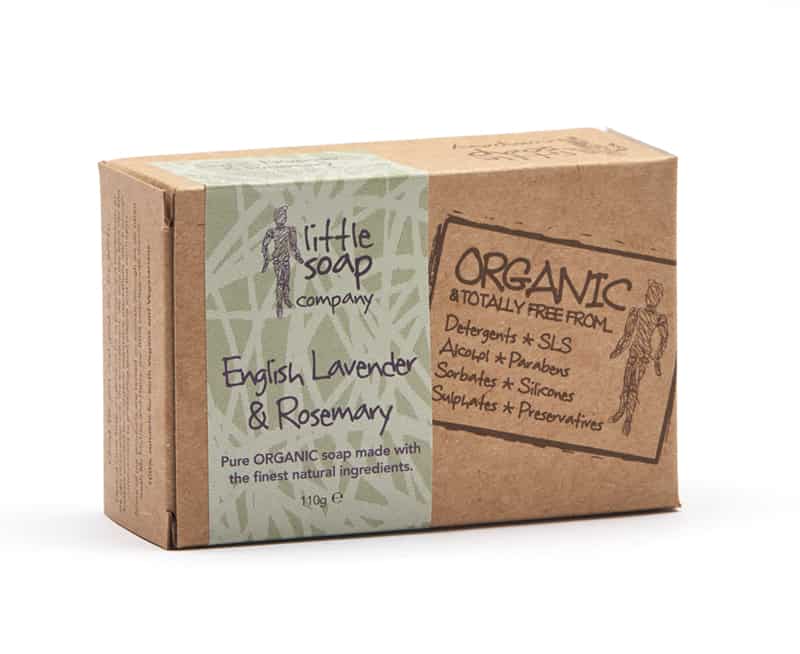
When looking at the world of hand-made cosmetics it is certain that branding, packaging, a clear message, an excellent product along with a good dollop of innovation are key elements to success. I simply cannot mention these key elements without mentioning the Little Soap Company. This company was conceived by Emma Heathcote-James and started life small, with Emma being an authentic one woman band. Soap was made on her family kitchen Aga and was then initially sold at farmers markets. The company was born out of a passion to create a ‘back to basics’ approach to cosmetics creating the purest organic cruelty free soap she believed possible, and making it accessible to everyone.
Emma’s passion and drive has been rewarded with the company growing from producing around 350 artisan bars of soap a day to producing tens of thousands for the everyday range and gaining the prestigious accolade of being the first organic, cruelty free soap bar to hit supermarket shelves, which also spelled the move away from the home kitchen production line. The range of products that Little Soap Company produce has most certainly expanded and now includes candles, bath products and even pet shampoos. The company has achieved great success and has gained a string of awards, however, Emma and the team continue to make and sell the original cruelty free soap artisan handmade range which both underpin the roots of the company and the ethos of the company ha remained clear and strong.
When you look at the products from Little Soap Company their branding and packaging all deliver the clear message of pure and natural.

Artisan producers in all fields are quickly becoming a popular choice among consumers. Indeed consumers today lean towards preferring independent, homemade products over mass-produced ‘faceless’ ones. However, an increasing number of artisan cosmetic makers are springing up, meaning that competition for customers is becoming fierce. If you want to make a serious success of your business in this field you need to make sure you are standing out from the crowd. The starting point to ensuring this is by creating a memorable, professional and appealing brand. Here are my three steps to success:

Branding
Branding is one of the most important factors of creating a professional looking product. When you think about branding, you need really consider what image you want to convey. I suggest that you get out and about and look at other artisan cosmetic producers to gain ideas, this is not to say that you copy what they are doing, simply that it’s useful to get some ideas of what does and doesn’t work. Remember that no one said that running a hand-made cosmetic business would be all about the products; there is a heck of a lot of business activities and decisions to be made.
The key things to remember about branding are:
- Visual Brand: Logo, colours and wording
- Consistency: Keep your branding consistent across every product. Don’t be tempted to mix and match. It can be easy to make a branding decision and then see something you like even better so take your time in the initial decision making stage and then stick with it.
- Packaging: Your packaging speaks volumes about your product, use it as a sales tool and do not under estimate its appeal and the way in which it can add value to your products. Spend time selecting the right packaging and check it is going to be practical as well as attractive. For example, if your product and branding is natural and organic, pick a packaging material that mirrors this, such as hemp, recycled paper or botanical produce. Also make sure that your chosen packaging is going to be readily available and that if you are customizing an element of your packaging [for example, hand stamping a wax seal] that you will be able to complete this embellishment if demand foe your product increases.
Logo
The first step to creating a brand for your soap is to create a logo – the rest of your brand, packaging and marketing materials should follow on quite naturally from this. There are a number of ways to create a logo for your artisan cosmetic making business:
- The most professional method, but also the most costly, is getting a logo developed by a graphic designer. You will need a guideline, brief and some initial ideas to make sure the graphic designer is creating you a logo that is relevant to your business aims and demographics. Have at company logos that you like and then consider the colours that you want to use.
- Alternatively, you can download a logo from the major stock photo libraries, such as Shutterstock. A much more cost effective solution, whilst also offering a lot of variety, this might be ideal for you if you are just starting out. However, you may need to adjust text and colour slightly to suit your needs and your logo will not be copyrighted as it is an image that is in the public domain. Other companies such as Vistaprint also offer free logo design when you are ordering printed advertising material from them, so it’s really a case of weighing up the options and costs. You can also advertise your logo design requirements on sites such as freelancer.com and allow individuals to bid for the job.
- Remember that a logo should reflect your own ethics, personality and beliefs – your brand should an emotional reaction with the customer, an ‘’it’ll do’ attitude simply has no place in this decision making process. Your brand is your ‘promise’ , think about how you as a consumer select your purchases and what you love about your trusted brands. You will want to inspire brand loyalty and so it is worth spending some time and effort in choosing and developing your branding elements.
Innovation
When looking at innovation in the natural and artisan cosmetics field, there are plenty of examples. I have seen soap shaped as yellow submarines, made to look like a goldfish in a bag and even soap wrapped in marine wool and marketed as exfoliating. You don’t have to go wild and extreme with your product innovation, but you do need to really consider what will make your products stand out from the crowd. Examples, of recent innovation that I have seen is using vintage teacups and jugs to hold naturally scented candles combined with vintage branding. Also, I have noticed a few companies using jam jars for natural bath salts and candles again with rustic or vintage inspired labeling.

Complying With Regulations & Labeling
In last months article we looked at formulating and trialing your products and at complying with the cosmetics regulations. You will also need to consider that cosmetics placed on the market in the UK must be labeled in English. All cosmetic products must be labeled with the following information (On both containers & packaging materials) in visible, legible and indelible letters:
Name and Address of the Responsible Person (If several addresses are provided for the responsible person, the address where the Product Information File (PIF) must be highlighted)
Country of Origin (if imported from outside the EU)
Quantity Marking: the nominal content must be given by weight or by volume
Durability Information- Products with a minimum durability of less than 30 months: Such products should be marked with an indication of the “Period after Opening” (PaO) for which the product will remain safe and can be used without harm to consumers; indicated by the symbol below stating durability in months:


