
While winter is a dormant period for much of the wildlife on Ashdown Forest – it is an exceptionally busy time for the staff.
With the ground nesting bird season now at an end until the spring, it’s time to tackle some essential tasks.
Work to maintain the protected lowland heath is high on the agenda.
Mechanical removal of invasive species including gorse, bracken and pine saplings opens the soil to allow heathers, lichens, and other grass species to thrive. In larger areas that are inaccessible to machinery, work is done by hand, with significant help from the Forest’s Conservation volunteers.
Ashdown Forest’s Countryside Manager Ash Walmsley said:
“Some of the methods we use and the results we get may appear to some visitors as drastic changes to the landscape. However, this work is essential to preserve our extremely rare lowland heath and the animals that depend on it. Within a year of the works, we see obvious signs of regrowth as the smaller plants begin to recolonise the area.”
Ashdown Forest can be a harsh place in winter, but the important conservation grazing continues and there is one group of animals that stay on course and continue the work even when other herds have left for their winter quarters.
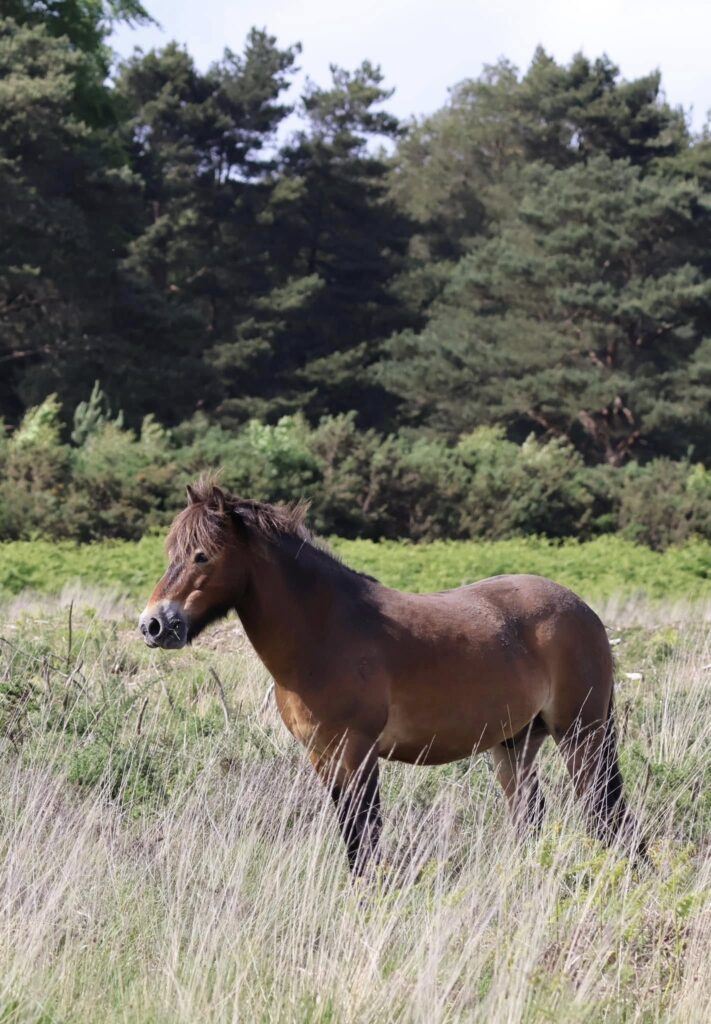
The Forest has 34 semi-feral Exmoor ponies that are moved around to graze the specialist habitats that help to ensure the survival of many of the Forest’s rare species of plants and animals. The ponies live on the Forest for the entire year, whereas the sheep and cattle are moved off for the Winter months and returned in the Spring.
Ash added:
“Exmoor Ponies are adapted to life on the Forest. They are a native British breed originally from Exmoor in Devon and Somerset. They can withstand the low temperatures and the poor grazing common to the lowland heath areas. Our ponies are usually divided into three smaller herds that are moved around the Forest to help keep our sites in the best condition possible.”
Although the ponies are extremely hardy, they do need to be checked regularly. A team of “Lookerers” monitor the ponies every day. These volunteers track the ponies in all weathers to ensure they are healthy and grazing the designated areas.
Work to maintain the Forest will continue through the winter. Details of the areas affected can be found on the Ashdown Forest website www.ashdownforest.org
Forest Facts
Ashdown Forest is one of the largest public access spaces in the Southeast
Located in the heart of the High Weald AONB
Granted national and international protection status due to the wildlife:
· SSSI – Site of special scientific interest
· SPA – European special protection area
· SAC – European Special area of conservation
· Natura 2000 site


