By Seren Charrington-Hollins 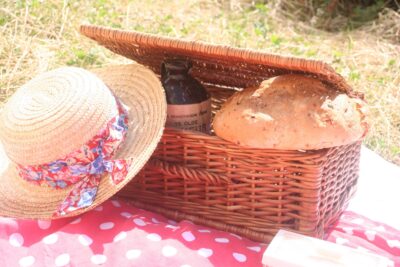
A good picnic is about more than just food. Indeed a true picnic is a meal encapsulated by nostalgia, tradition and a long history. There is no doubt that the picnic is embedded in our heritage and has become an iconic symbol of the very best of British Summertime.
From the humble beginnings of just a simple meal outdoors through to the colossal hunting feasts of the medieval period; the English picnic has a long and fascinating history. With its roots in the Middle Ages it was born out of necessity and practicality, but continued to evolve shaping itself into a desirable dining experience that captured the attention of our stomachs and imaginations.
Today picnics can be as simple or extravagant as your needs and mood dictate. The picnic is often seen as an uncomplicated affair that can be enjoyed by all, however it was once the privileged preserve of wealthy landowners who derived pleasure from dining in the grounds of their estates. It was the Victorians who brought picnics to the masses. However, it wasn’t until the mid-1800s, that the picnic became a common English word and a serious pastime.
The picnic offered an opportunity for the working classes to enjoy a family afternoon in the great outdoors, whereas for the wealthy the picnic represented a fashionable leisure activity fuelled by the Romantic movement. Whilst poets waxed lyrical about dining in nature, the picnic became the ultimate social butterfly. Indeed, by the Victorian era, the society summer season seemed to revolve around picnicking occasions. There was Henley Regatta and Glyndebourne, Ascot and Goodwood. “Look where I will…I see Fortnum & Mason,” wrote Charles Dickens, at one Epsom Derby. “All the hampers fly wide open and the green downs burst into a blossom of lobster salad!”
When preparing for a modern day picnic it’s easy to ponder over how much hard work goes into something that will last for a few hours and will no doubt result in a fight to keep the wasps away from the lemonade, a battle to keep the ants off the cake and will demand great skill to stop flies from spoiling the sandwiches. As you deliberate over how many sandwiches you should pack spare a thought for those preparing a picnic in the Victorian era, a time when picnics were very grand affairs.
The Victorians cut no corners when it came to pushing eating outdoors. For a party of 40 people, Mrs. Beeton recommends “a joint of cold roast beef, a joint of cold boiled beef, 2 ribs of lamb, 2 shoulders of lamb, 4 roast fowls, 2 roast ducks, 1 ham, 1 tongue” and more. Also on the menu would be freshly baked pies of perhaps veal and ham, rabbit or pigeon.
Picnicking enjoyed many long and lavish Summers where it became an increasingly aspirational affair and embodied everything good about the Great British Summer. There was the “lashings and lashings of ginger beer” of Enid Blyton adventures, and the famous passage from Wind in the Willows, in which Ratty opens his “fat, wicker luncheon basket” to reveal “cold chicken, cold tongue, cold ham, cold beef, pickled gherkins, salad, French rolls, cress sandwiches, potted meat, ginger beer, lemonade, soda water.” All were designed to whet the appetite and bring to life those lazy, whimsical, summer days by the river.
However, fashionable and beloved dining in the countryside is, it has to be said that the British picnic has an element of unpredictability and that a picnic can teeter on the edge of making do if it is not prepared and packed properly. In his childhood memoirs, Cider With Rosie, Laurie Lee describes his mother’s vast picnics which always started with such high expectations, before giving-in to the inevitable: “The milk turned sour, the butter fried on the bread, cake crumbs got stuck to the cucumber, wasps seized the treacle, the kettle wouldn’t boil and we ended by drinking the jellies.” The reality is that all Brits have battled with grass in the lemonade and creepy crawlies on the picnic blanket, but us Brits are made of strong stuff and our commitment to outdoor dining is strong; meaning any small inconvenience is outweighed by the rewards.
Whilst the odd wasp and a spot of damp grass is no deterrent to laying down a rug and eating out of a wicker hamper, and it must be said that defiance of the weather is one of our most endearing national characteristics; the era of British supermarkets and packaged picnics has robbed the occasion of some of the Victorian whimsy and it is questionable whether today’s picnic is really as great as its history.
Join me on a journey into the picnic baskets of the past as I uncover the history of picnics throughout the ages and recreate an iconic Victorian picnic, complete with hand raised game pies, home made cherry brandy and some excellent regional specialties’. I see no reason why a modern picnic cannot enjoy the best of culinary history and the pick of modern cuisine.


Absolutely, I completely agree. The idea of a picnic being tied to tradition and memories is really lovely – it’s about so much more than just eating outside.