
The elevating aroma of Christmas trees lingers in the air, whilst wreaths glisten and lights twinkle as a warm glow emanates from houses filled with stockings, candles, toys, good food and the hope of Father Christmas. On the surface this description of Christmas is not that different from how we may nostalgically describe Christmas today, but this description belongs to the festivities of the 1920s. All of these traditions are still a part of our celebrations today, just as they were a hundred years ago, but there have been some noteworthy changes to Christmas celebrations in the past hundred years, especially from a culinary perspective so join me as we look at the Christmas traditions past and present.
Today’s Christmas traditions may seem as old and authentic as they come, but in fact many of our modern day Christmas traditions are, actually a patchwork of numerous centuries and countries customs all woven together with a good dose of Christmas spirit. Some rituals have survived for millennia, whilst others, such as serving a peacock for Christmas dating from 1430, have fallen from fashion, and more modern ones like serving a roast turkey have come into vogue.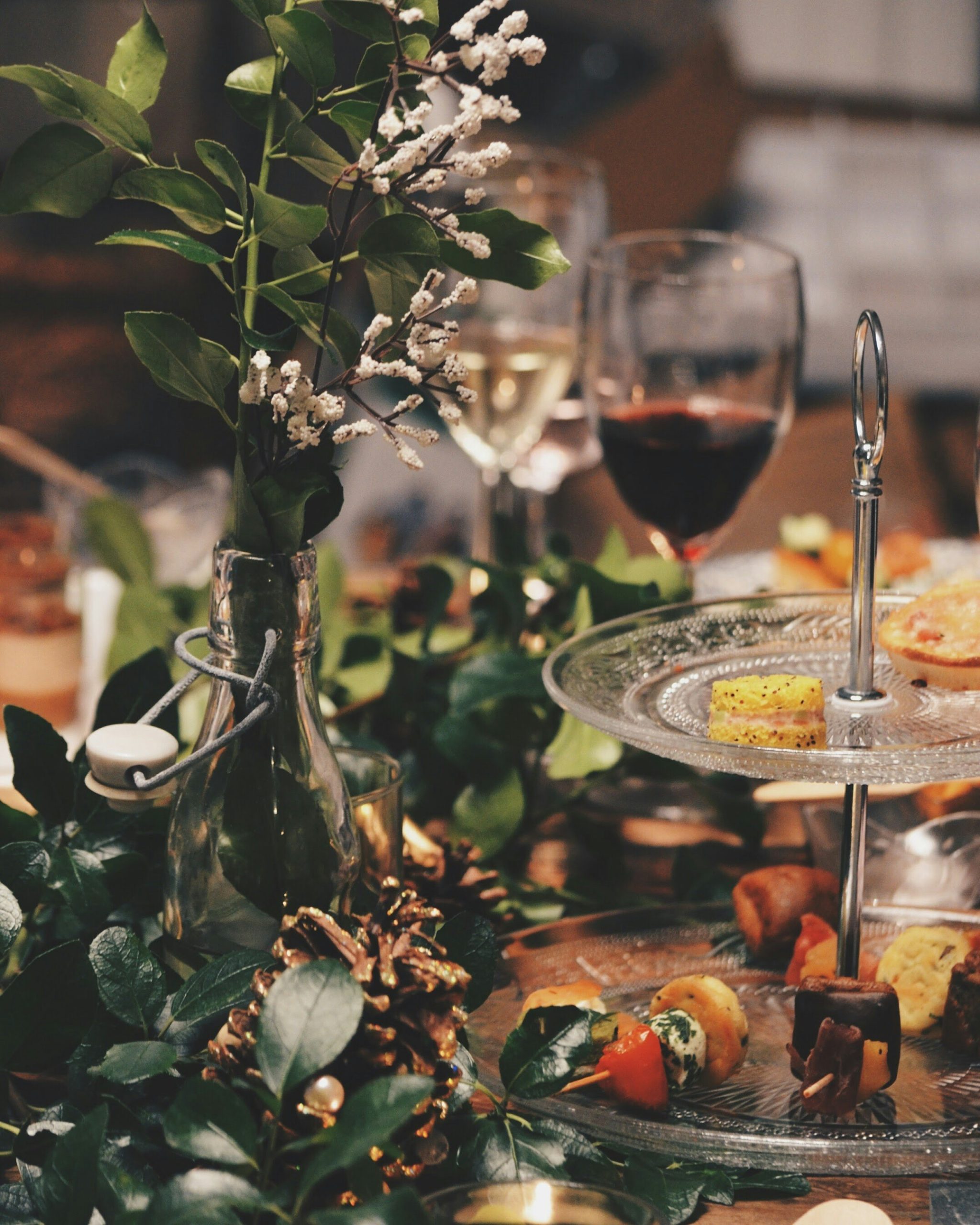
Today’s ‘traditional’ Christmas dinner is often a feast of roast turkey, vegetables, cranberry sauce, stuffing and pigs in blankets served with lashings of gravy all washed down with an alcoholic tipple of choice and followed by a helping of Christmas pudding and a few mince pies. It is true to say that when someone mentions Christmas dinner it is hard not to think of turkey and all the trimmings, although this is a relatively new tradition in the long history of Christmas celebrations and it’s not a meal that would have been commonly enjoyed a hundred years ago. In 1920 you might have dined on a Christmas dinner of freshly-shot wild game such as rabbit or pheasants, otherwise you may have enjoyed popular dishes such as a glazed ox tongue, whilst geese, hams and hare were all popular fare. As is still the case today your purse dictated what was on your festive plate and turkeys were more expensive than goose which was a popular choice for those with the necessary funds. Many people would save to afford the Festive meat, but this may well have been some mutton or whatever could be acquired. Generally speaking, the meal for the average household would have contained less meat than today’s equivalent meal.
Turkeys were introduced in Britain more than 500 years ago by Yorkshire’s William Strickland, who acquired six birds from American Indian traders on his travels. Today, approximately 10 million turkeys are eaten in the UK every year, but Turkey has only gone mainstream over the last 60 years. Indeed, up until the 1950s it was widely considered a luxury and in the 1930s the average person had to work for a week to be able to buy a turkey, whereas, now a turkey costs an average family 1.7 hours of labour. From the 1950’s onwards widespread refrigeration and the increased availability of the turkey all aided its popularity.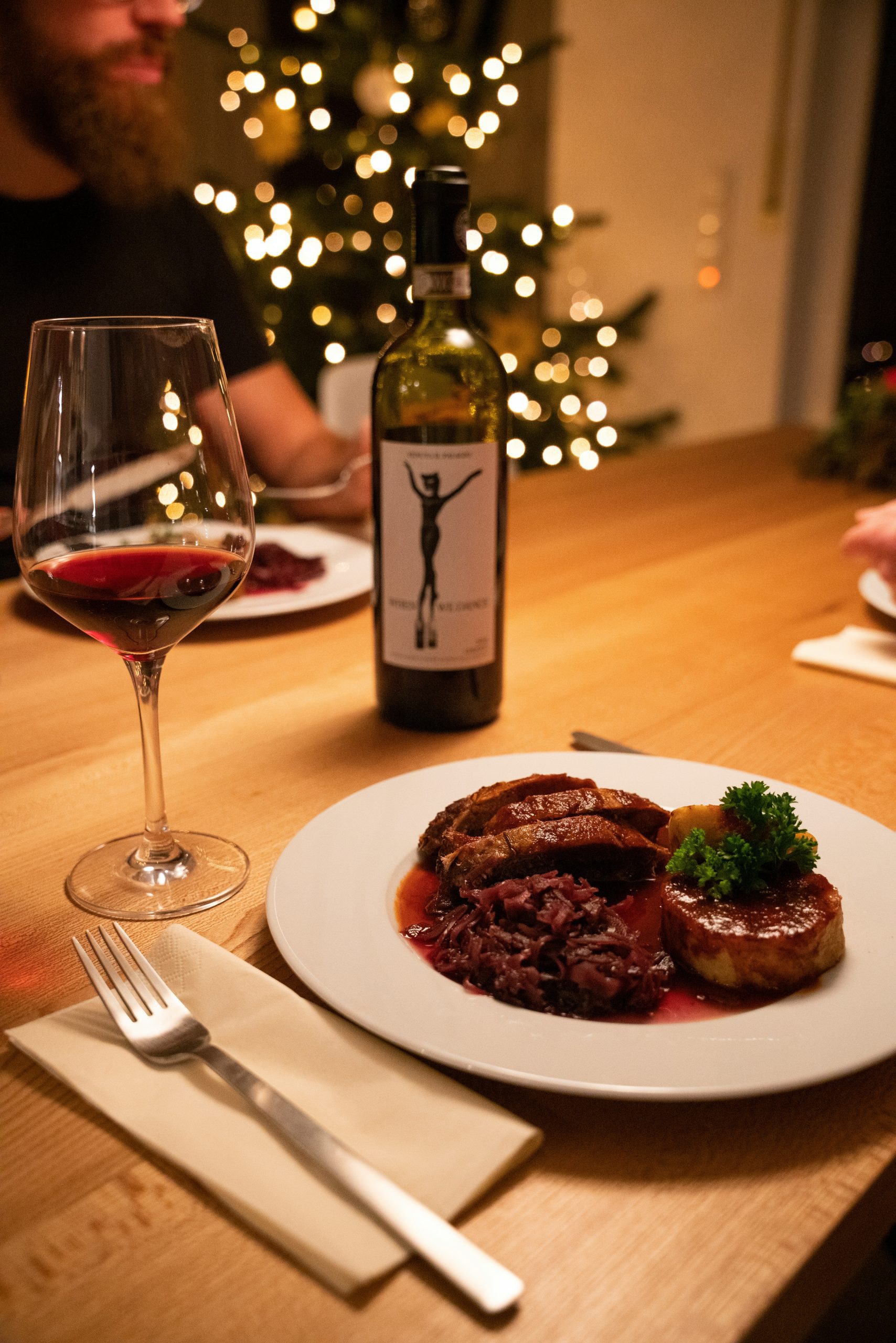
As for other festive foods; well stilton and cheddar cheese were both popular choices as were veal and ham pies, matured Yorkshire hams and peat smoked Irish hams. In general though the festive shopping list of a 1920’s household would indeed look very different to that of a modern shopper. There would be more of a focus on ingredients as oppose to pre-prepared, though often pies would be purchased from the local baker or butcher.
There would be no Pigs in Blankets on the shopping list as these are an American import and the earliest written record of pigs in blankets dates back to 1957 and there would be no cranberry sauce on the list either as this is another dish to thank the Americans for, as legend has it that cranberries were served with turkey at the very first Thanksgiving in Massachusetts. You would also need to cross brandy butter off your 1920’s shopping list as this made its first appearance in the 1930s, as well as the custom of pouring alcohol into the Christmas pudding mix itself.
The Victorian tradition of real Christmas trees were still prevalent in the 1920’s though they were not dressed until Christmas Eve. Indeed it was common practice for all household decorations to go up on Christmas Eve, but if you wanted an artificial tree then you would have to wait another decade, because the first bristle-style artificial tree was made by Addis Housewares Company in 1930, which they created using the same machinery it employed to make toilet brushes.
Christmas Eve was a busy day in the 1920’s with decorations to put up, food preparations to make and food deliveries arriving. Since refrigeration was exceptionally rare in households a hundred years ago customers had to receive their fresh food as close to Christmas as possible. To ensure you had your meat and pies for Christmas you would have had to place an order with your local butcher, grocer and baker in advance. Perishable goods would be collected or delivered on 23rd or 24th December to ensure freshness, meaning that the shops and high streets of the 1920’s were full of bustle and Christmas cheer on Christmas Eve.
The windows of shops have also changed in the run up to Christmas. Today, families are just as likely to browse online for Christmas gifts and decorations, while 1920s shoppers relied more heavily on high street displays, local shops, and festive market-style browsing. In the 1920’s adverts and displays played a key role in attracting customers to stores and in securing a good festive trade. Elaborate shop window displays were created and lit up for customers to view overnight and the only limit it seems to such displays were the imagination, today’s shop displays are certainly dull by comparison.
In 2024 the majority of families around the UK will serve up a succulent roast turkey as the centre piece of their festive meal this year, with very few opting for the 1920’s dishes of hare or indeed ox tongue, but perhaps it is pudding that is most telling of the changing tastes of the festive diner, with Christmas pudding and the Christmas cake both having lost their tinsel crowns. Indeed Christmas pudding sales are at an all time low. Modern tastes seem to favour lighter baked goods and desserts including cheesecake and even Baklava are favoured by many over the traditional Christmas pudding. Even the good old mince pie is not as popular as it was a hundred years ago, but then neither are these items as regularly home-made or artisan baked as they were a hundred years ago.
Indeed a hundred years ago Christmas dinner would have been reliant upon the efforts of the home-grown and preserved or else the baker, greengrocer, butcher and local general stores. Today’s Christmas shopping tends to involve a scurry around the supermarket or else a home delivery, but a hundred years ago it would have involved liaising with your local purveyors months in advance and collecting your fine fare just a day or two before Christmas; I know which one I’d prefer.


