 By Seren Charrington-Hollins
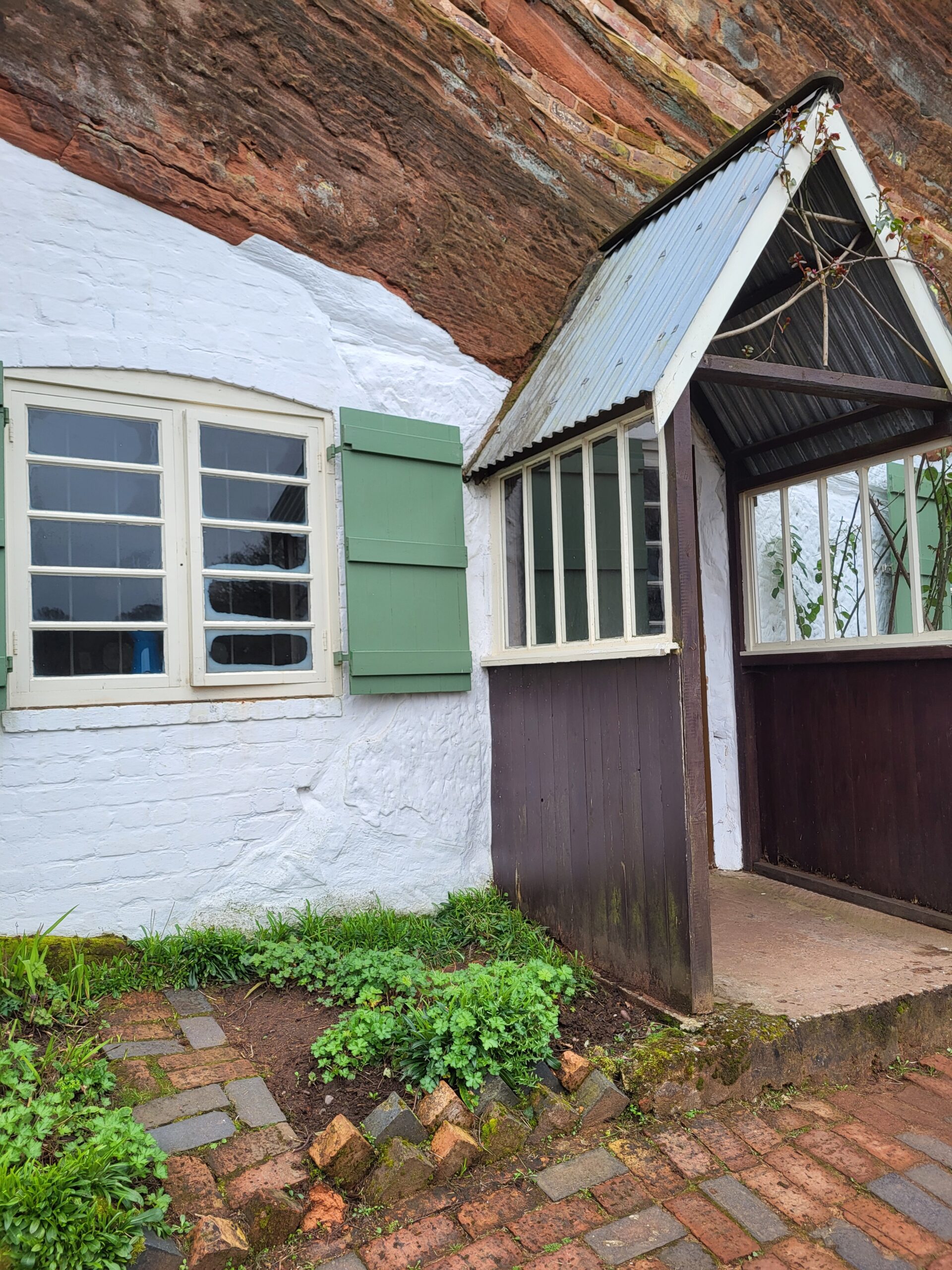
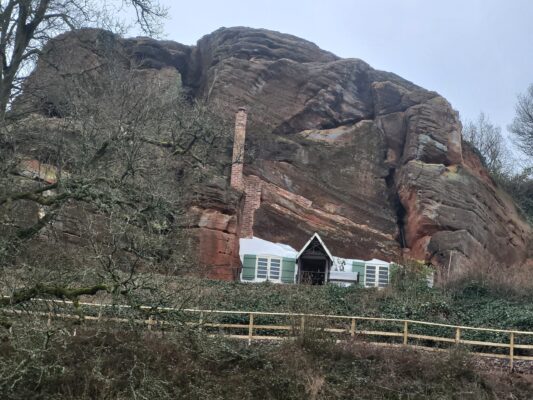
My children had a day off school due to teacher training and so I decided to take have a family day out and take a trip to Kinver in Staffordshire and visit the Holy Austin rock houses, which were inhabited until the 1960s.
The Kinver Rock Houses are truly fascinating. The earliest record of their occupation is 1777 and some of the dwellings have been restored and are maintained by the National Trust. These properties a unique insight into what life was like for the rock house residents.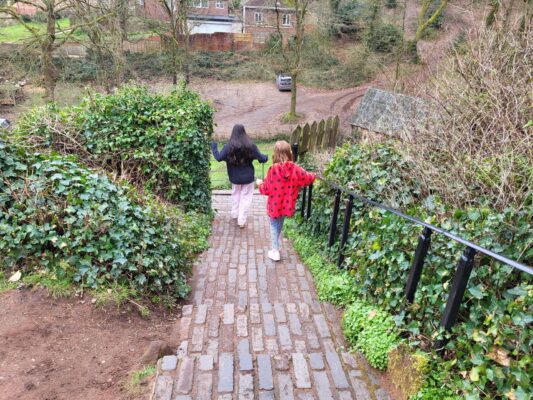
Kinver Village was largely a manufacturing area throughout its history. With it being noted for producing both coarse and fine woollen cloth until the late 1600s, when the village’s manufacturing efforts switched to iron. The industrious success of the area is what is thought to be behind the rock dwellings, with housing for the mills, foundries and factories being in short supply within the village, leading to workers being creative in securing accommodation.
I was surprised by the spacious accommodation afforded by the rock dwellings. They certainly had lovely views and a tranquil feel to them. A short climb up to the restored dwellings was most enjoyable and the dwellings themselves were nothing short of enchanting. They have been restored to allow a unique window into a time past. If only the walls could talk, I am sure they would have plenty to say. It is hard to believe that the Kinver Rock Houses that are now museums, were once part of a community of rock house dwellers that worked and lived in a thriving industrial village.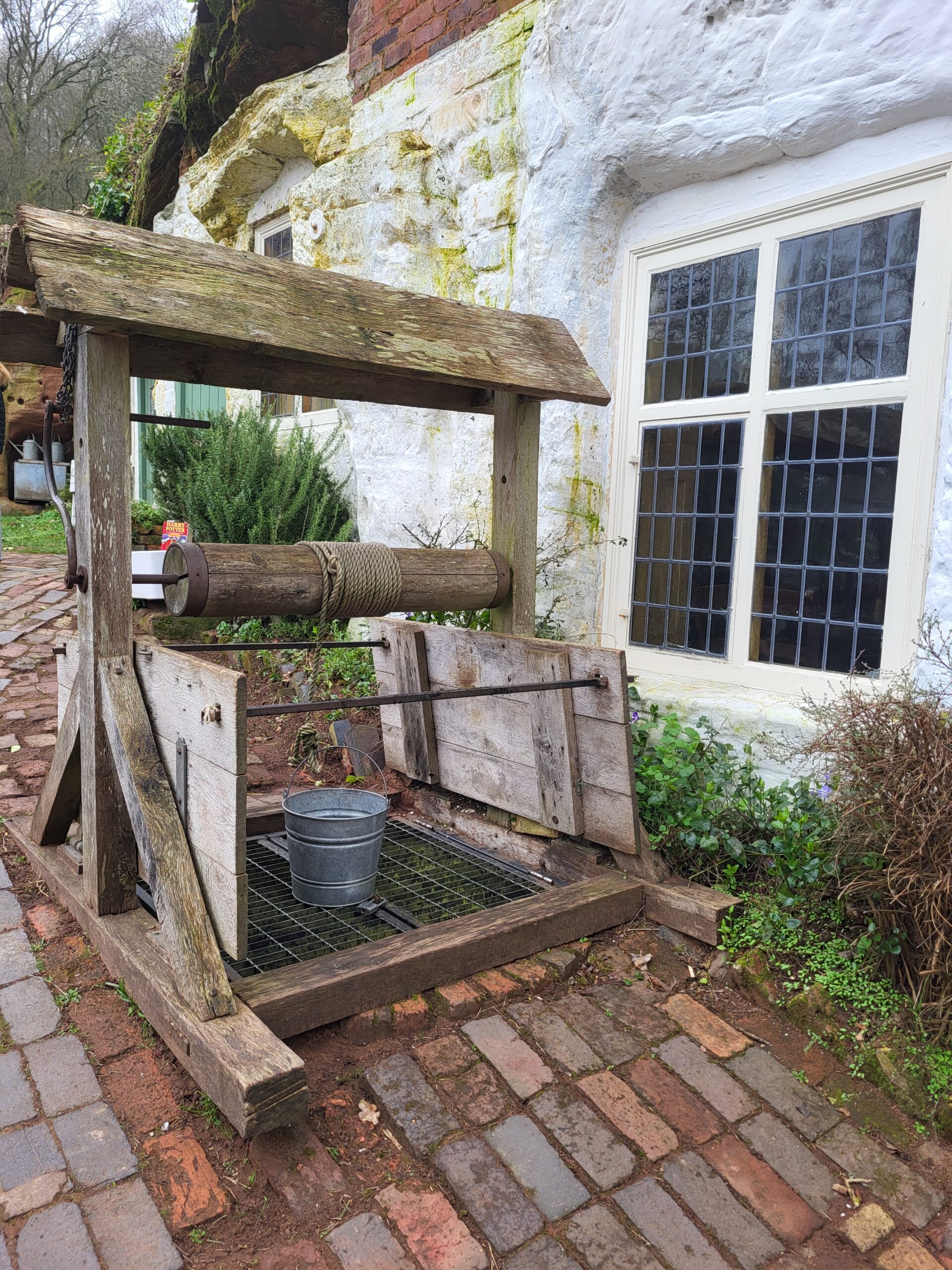
After a wander around the houses we popped into the National Trust café and enjoyed a hot drink and a cheese scone before taking a walk around the allotments and through the orchard that allowed my flock of children to run around and explore.
Kinver is an historic area, and the original village can be traced to the Medieval period, whilst St Peter’s Church at the top of the village originates to the twelfth century. If you like historic pubs, then the fourteenth century White Harte Pub in the centre of the High Street might well be worth a visit, however, be warned that there are one or two ghost stories floating around and not all the spirits are behind the bar.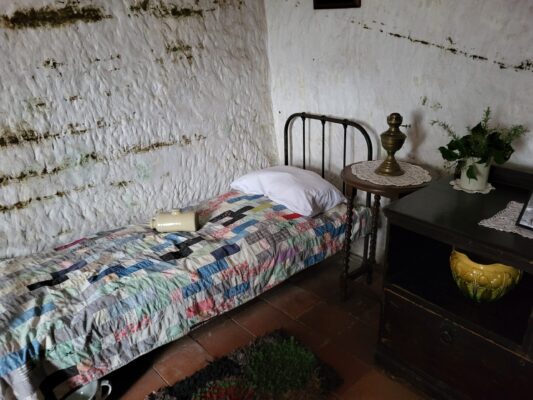
We enjoyed this family friendly day out, it allowed for a relaxed exploration and was able to entertain our diverse age group. It doesn’t take a full day to visit this attraction, but on a nice day there are picnic facilities and there is plenty to explore in this part of Staffordshire, with plenty of National Trust properties dotted around the surrounding area as well as plenty of history to explore in the village and walks to enjoy.