Every injured or distressed wild animal has its own story. But behind many successful wildlife rescues is another story – one of cooperation between the people who find them, those who care for them and the rangers who know the countryside better than almost anyone.
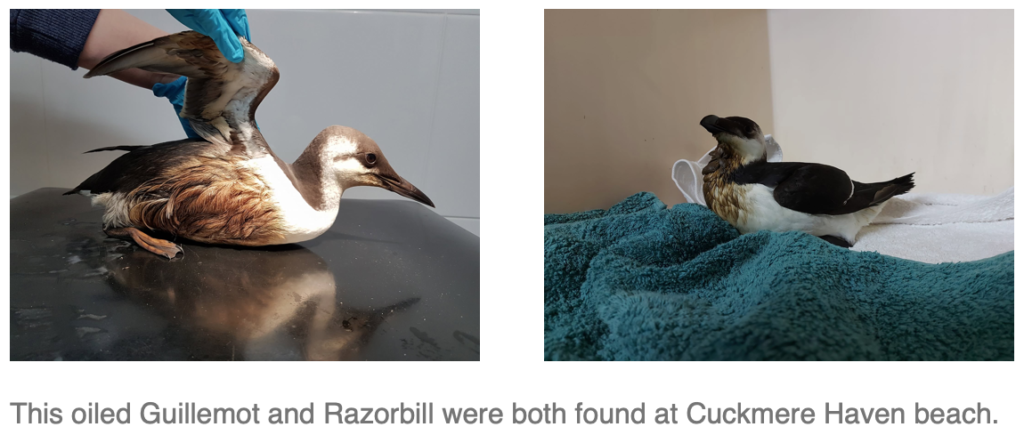
For the Wildlife Rescue and Ambulance Service (WRAS), the work of local ranger teams has proved invaluable over the years. While WRAS focuses on rescuing, treating and caring for individual wildlife casualties, rangers are carrying out an equally important job on a much wider scale: protecting habitats, monitoring wildlife, managing the countryside and helping people understand the natural world around them.
In East Sussex, that partnership can be seen particularly clearly across some of our most beautiful and wildlife-rich landscapes.
The ranger team at Seven Sisters Country Park regularly works in an environment where wildlife can be found in some challenging locations. The cliffs, river, wetlands, grassland and coastline attract an extraordinary variety of species, but the same terrain can make reaching an injured animal difficult. Over the years, the rangers have helped WRAS by checking reports of wildlife casualties, providing invaluable local knowledge and helping rescuers gain access to animals in locations that might otherwise be extremely difficult to reach.
A similar relationship exists with the Sussex Wildlife Trust rangers working around Cuckmere Haven. Their intimate knowledge of the landscape and its wildlife can be crucial when a casualty is reported. Knowing the tracks, paths, access points and habitats can save precious time when an animal needs help.
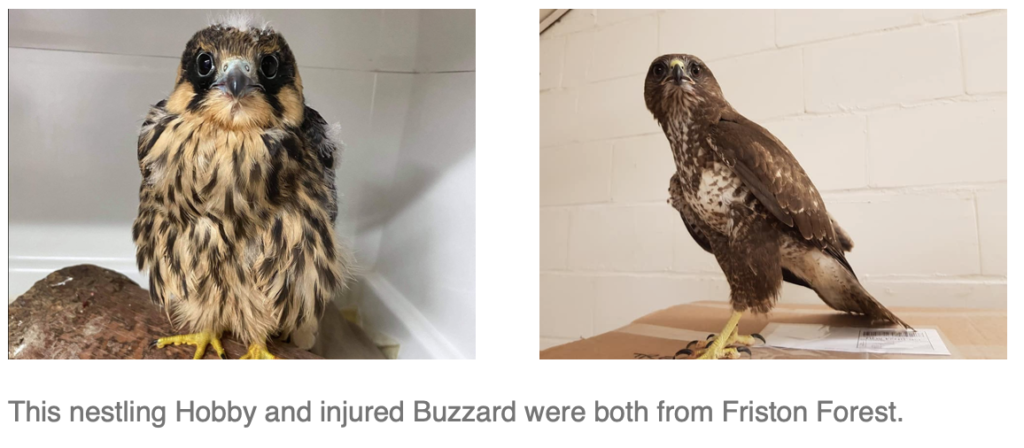
Then there are the Forestry England rangers at Friston Forest and Abbots Wood, working across two very different woodland environments where wildlife can be surprisingly difficult to locate. Dense woodland, steep ground, fallen trees and remote areas can all present challenges for rescuers. Once again, local knowledge and cooperation make all the difference.
It is easy to think of wildlife rescue as something that happens when a member of the public phones for help and a rescue vehicle arrives. In reality, successful rescues often involve a much larger team of people working quietly behind the scenes.
And the work of rangers doesn’t stop when a casualty has been rescued. By managing habitats, protecting sensitive areas, monitoring species and educating visitors, they are helping to prevent problems and create environments in which wildlife can thrive in the first place.
That wider work is particularly important at a time when wildlife faces increasing pressure from human activity, development, traffic, pollution, habitat loss and changing environmental conditions. Protecting individual animals matters, but protecting the places in which they live is just as important.
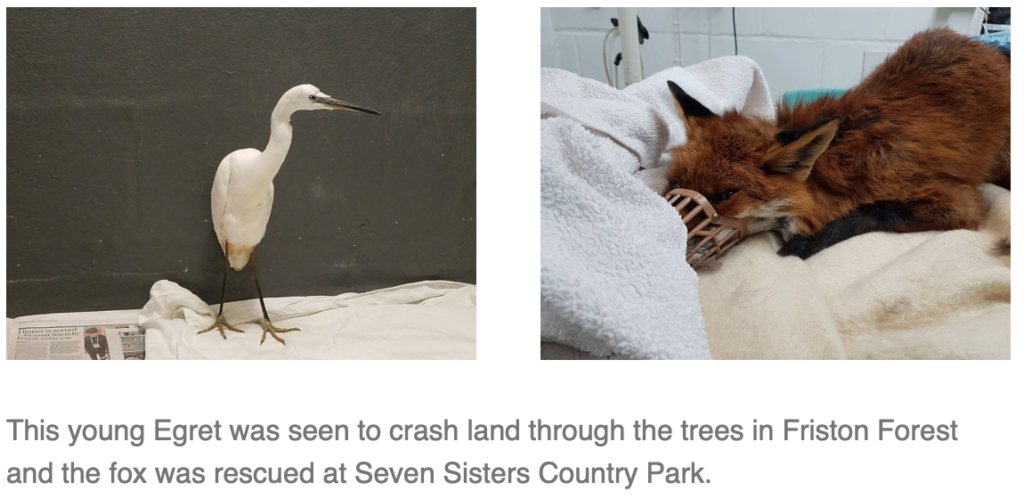
The relationship between wildlife rescue organisations and countryside rangers is therefore a natural one. One deals with the individual casualty; the other helps safeguard the landscape and habitats on which countless animals depend.
So, to the ranger teams at Seven Sisters Country Park, the Sussex Wildlife Trust rangers around Cuckmere Haven and the Forestry England rangers at Friston Forest and Abbots Wood – and to rangers working across East Sussex and beyond – thank you.
Your work may sometimes happen quietly, without much public recognition, but it makes a real difference.
Every rescued animal represents a second chance. And sometimes, giving wildlife that second chance depends on people knowing exactly where to look, how to get there and what to do when they arrive.
The vital work of WRAS is made possible through public donations. To throw them a few pennies in thanks for all they do, click here.
All photos © WRAS


That’s a really interesting read; it’s amazing how much these partnerships contribute to animal welfare.