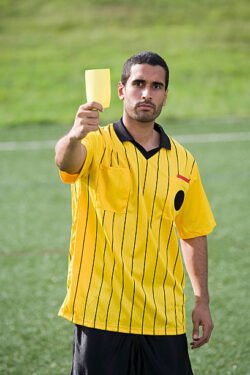
In 2014, forthcoming elections for the European Parliament in the Maltese Islands kicked off with the then Leader of the Opposition Simon Busuttil urging the electorate to show a “Yellow Card” of caution to the incumbent Prime Minister Joseph Muscat.
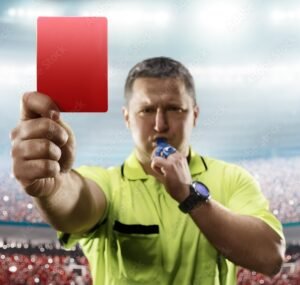
With World Cup finality looming and knowing Malta’s craze for the bouncing ball, Busuttil had the forthcoming finals in Brazil very much in mind. In the resultant shade of voting, the PM retorted by tongue-in-cheek stating that Malta and Gozo had shown the “Red Card” to the Leader of the Opposition instead!
If there is one item which brings the vast majority of the community in Mata and Gozo together, it’s the sport of Association Football.
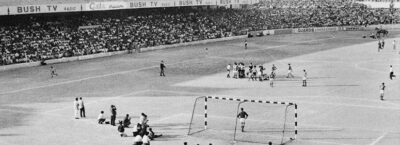
Although the craze over local football has nowadays decreased because of techno facilities to leading matches in overseas countries, the fervour of supporting an overseas country or club remains.
Back in time most fervour was based on English clubs and the England national team, followed closely by the Italian set-up. This has now changed and major support is for Italy and Italian clubs such as Juventus, Inter, Milan and Napoli.
Support for English football remains strong. But steadily and surely, support for Spanish, German and French football is gradually on the increase.
Further into Malta’s national campaign in 2014 for Presidential elections, the Opposition published a “rogue’s picture gallery” album of about 200 individuals who it alleged had curried favour with the Government and had consequently been given either plum and/or lucrative positions, or contracts.
This caused much merriment and was compared to the popular Italian “Panini” stickers, album pictures of the world’s leading footballers who were to feature in the World Cup, vastly popular in Malta and subject to much exchange and mart. It also occasioned a flurry of libel suits by some of the enraged featured.
The Maltese electoral system of voluntary proportional representation is a fair but vastly complicated exercise of numbered preference voting of candidates with a quota elected threshold and transferable votes as candidates are eliminated. It then took three days to get the full result!
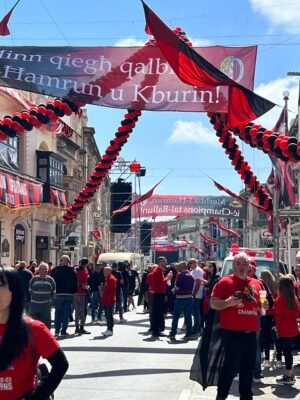
The statistics caused some great surprises. The average EU turn-out was 42% but Malta and Gozo polled 74.5% because politics were a religion here – just as much as football. Mind you, this was down compared to the 95/96% General Elections turn-outs with 25% abstaining from voting.
Were these euro-skeptics? Nothing of the kind. The majority of these wanted to show their disillusionment with the two mainstream political parties, the governing Malta Labour Party (Partit Laburista) and the Opposition Nationalist Party (Partit Nazzjonalista).
The electoral campaign itself centred exclusively on local issues despite the fleeting visits of Euro heavyweights Martin Schulz (for the PL) and Claude Junkers (for the PN). Europe was hardly mentioned at all.
The result achieved a number of remarkable precedents with the governing Labour Party achieving a first in Malta’s electoral history by gaining a 53% majority of the votes – the first and only time a governing party achieved a majority in either EU or local elections during its term of governance. The Opposition slumped at 40%. The PL claimed this was also a Euro first-time.
Of the six seats available, four were taken by women, the first time an EU country had elected a female majority of representatives. Three were lawyers and the fourth an entrepreneur, with both parties taking three seats. The Maltese Islands obviously feel safer with female representatives in Europe!
There was no noteworthy anti-EU vote with various minor parties faring badly. However, extreme right wing candidate Norman Lowell, who headed the Imperium Europa Party, grabbed 7,000 first preference votes which caused a great stir even though it was just under 25% of the required quota and he remained in contention when many other mainstream candidates were eliminated.
Lowell was definitely an eccentric character with some outrageous views. He was a former banker and held a black belt in martial arts and karate. Some of his expressed views made Le Pen’s French “National Front” look very liberal in comparison.
He wanted all black people and Arabs in Malta to be deported to their countries of origin, including their spouses and partners even though they may be Maltese. He wanted Latin to be re-introduced as a common European tongue. He was anti-religious and vehemently anti-Islamic and anti-Roman Catholic. He derided Social Democrats as “Communists” and wanted a euthanasia programme for babies born physically or mentally handicapped.
Other than that, there was little mention of the illegal immigration programme although the ruling PL had a commitment that the EU needed to awake and tackle pending issues, further highlighted by subsequent figures after the election that 33% of the previous year’s European illegal immigrants landed in either Italy or Malta.
However, all of was submerged in the forthcoming weeks of the World Cup looming. This also divided Malta into two main camps, those supporting England and those supporting Italy.
This support stemmed from former political roots with PN supporters leaning towards the pro-Italian camp because of the party’s former stance in being pro-Italian and particularly pro-Mussolini, whilst the mainly pro-England fans were those who espoused the now-defunct Constitutional Party, very much pro-British.
What is the situation today?
Thankfully, the fanatical fervour for overseas football and their country representation has declined, with the majority following Italian football because of continued veneration by most Italian tv stations. British football remains an ideal for Maltese old-timers like myself but is steadily on the decline.
Motorized and pedestrian street parades, following an Italian or British success have terminated, nevertheless the interest in association football remains supreme but is more regularized and professional.
ALBERT FENECH
salina46af@gmail.com
-
Albert Fenech was born in Malta in 1946. His family moved to England in 1954 where he spent boyhood and youth before in 1965 returning to Malta. He spent eight years as a journalist with “The Times of Malta” before taking a career in HR Management Administration with a leading international construction company in Libya, later with Malta Insurance Brokers, and finally STMicroelectronics Malta, employing 3,000 employees, Malta’s leading industrial manufacturer. Throughout he actively pursued international freelance journalism/ broadcasting for various media outlets covering social issues, current affairs, sports and travel. He has written in a number of publications both in Malta and overseas, as well as publishing two e-books.
For the last eight years he had been writing a “Malta Diary” with pictures for Lyn Funnel’s B-C-ingU.com international travel magazine.
View all posts
When Politics & Football Merged & Mixed in Malta, Today, thankfully, no longer
In 2014, forthcoming elections for the European Parliament in the Maltese Islands kicked off with the then Leader of the Opposition Simon Busuttil urging the electorate to show a “Yellow Card” of caution to the incumbent Prime Minister Joseph Muscat.
With World Cup finality looming and knowing Malta’s craze for the bouncing ball, Busuttil had the forthcoming finals in Brazil very much in mind. In the resultant shade of voting, the PM retorted by tongue-in-cheek stating that Malta and Gozo had shown the “Red Card” to the Leader of the Opposition instead!
If there is one item which brings the vast majority of the community in Mata and Gozo together, it’s the sport of Association Football.
Although the craze over local football has nowadays decreased because of techno facilities to leading matches in overseas countries, the fervour of supporting an overseas country or club remains.
Back in time most fervour was based on English clubs and the England national team, followed closely by the Italian set-up. This has now changed and major support is for Italy and Italian clubs such as Juventus, Inter, Milan and Napoli.
Support for English football remains strong. But steadily and surely, support for Spanish, German and French football is gradually on the increase.
Further into Malta’s national campaign in 2014 for Presidential elections, the Opposition published a “rogue’s picture gallery” album of about 200 individuals who it alleged had curried favour with the Government and had consequently been given either plum and/or lucrative positions, or contracts.
This caused much merriment and was compared to the popular Italian “Panini” stickers, album pictures of the world’s leading footballers who were to feature in the World Cup, vastly popular in Malta and subject to much exchange and mart. It also occasioned a flurry of libel suits by some of the enraged featured.
The Maltese electoral system of voluntary proportional representation is a fair but vastly complicated exercise of numbered preference voting of candidates with a quota elected threshold and transferable votes as candidates are eliminated. It then took three days to get the full result!
The statistics caused some great surprises. The average EU turn-out was 42% but Malta and Gozo polled 74.5% because politics were a religion here – just as much as football. Mind you, this was down compared to the 95/96% General Elections turn-outs with 25% abstaining from voting.
Were these euro-skeptics? Nothing of the kind. The majority of these wanted to show their disillusionment with the two mainstream political parties, the governing Malta Labour Party (Partit Laburista) and the Opposition Nationalist Party (Partit Nazzjonalista).
The electoral campaign itself centred exclusively on local issues despite the fleeting visits of Euro heavyweights Martin Schulz (for the PL) and Claude Junkers (for the PN). Europe was hardly mentioned at all.
The result achieved a number of remarkable precedents with the governing Labour Party achieving a first in Malta’s electoral history by gaining a 53% majority of the votes – the first and only time a governing party achieved a majority in either EU or local elections during its term of governance. The Opposition slumped at 40%. The PL claimed this was also a Euro first-time.
Of the six seats available, four were taken by women, the first time an EU country had elected a female majority of representatives. Three were lawyers and the fourth an entrepreneur, with both parties taking three seats. The Maltese Islands obviously feel safer with female representatives in Europe!
There was no noteworthy anti-EU vote with various minor parties faring badly. However, extreme right wing candidate Norman Lowell, who headed the Imperium Europa Party, grabbed 7,000 first preference votes which caused a great stir even though it was just under 25% of the required quota and he remained in contention when many other mainstream candidates were eliminated.
Lowell was definitely an eccentric character with some outrageous views. He was a former banker and held a black belt in martial arts and karate. Some of his expressed views made Le Pen’s French “National Front” look very liberal in comparison.
He wanted all black people and Arabs in Malta to be deported to their countries of origin, including their spouses and partners even though they may be Maltese. He wanted Latin to be re-introduced as a common European tongue. He was anti-religious and vehemently anti-Islamic and anti-Roman Catholic. He derided Social Democrats as “Communists” and wanted a euthanasia programme for babies born physically or mentally handicapped.
Other than that, there was little mention of the illegal immigration programme although the ruling PL had a commitment that the EU needed to awake and tackle pending issues, further highlighted by subsequent figures after the election that 33% of the previous year’s European illegal immigrants landed in either Italy or Malta.
However, all of was submerged in the forthcoming weeks of the World Cup looming. This also divided Malta into two main camps, those supporting England and those supporting Italy.
This support stemmed from former political roots with PN supporters leaning towards the pro-Italian camp because of the party’s former stance in being pro-Italian and particularly pro-Mussolini, whilst the mainly pro-England fans were those who espoused the now-defunct Constitutional Party, very much pro-British.
What is the situation today?
Thankfully, the fanatical fervour for overseas football and their country representation has declined, with the majority following Italian football because of continued veneration by most Italian tv stations. British football remains an ideal for Maltese old-timers like myself but is steadily on the decline.
Motorized and pedestrian street parades, following an Italian or British success have terminated, nevertheless the interest in association football remains supreme but is more regularized and professional.
ALBERT FENECH
salina46af@gmail.com
Author
Albert Fenech was born in Malta in 1946. His family moved to England in 1954 where he spent boyhood and youth before in 1965 returning to Malta. He spent eight years as a journalist with “The Times of Malta” before taking a career in HR Management Administration with a leading international construction company in Libya, later with Malta Insurance Brokers, and finally STMicroelectronics Malta, employing 3,000 employees, Malta’s leading industrial manufacturer. Throughout he actively pursued international freelance journalism/ broadcasting for various media outlets covering social issues, current affairs, sports and travel. He has written in a number of publications both in Malta and overseas, as well as publishing two e-books.
For the last eight years he had been writing a “Malta Diary” with pictures for Lyn Funnel’s B-C-ingU.com international travel magazine.