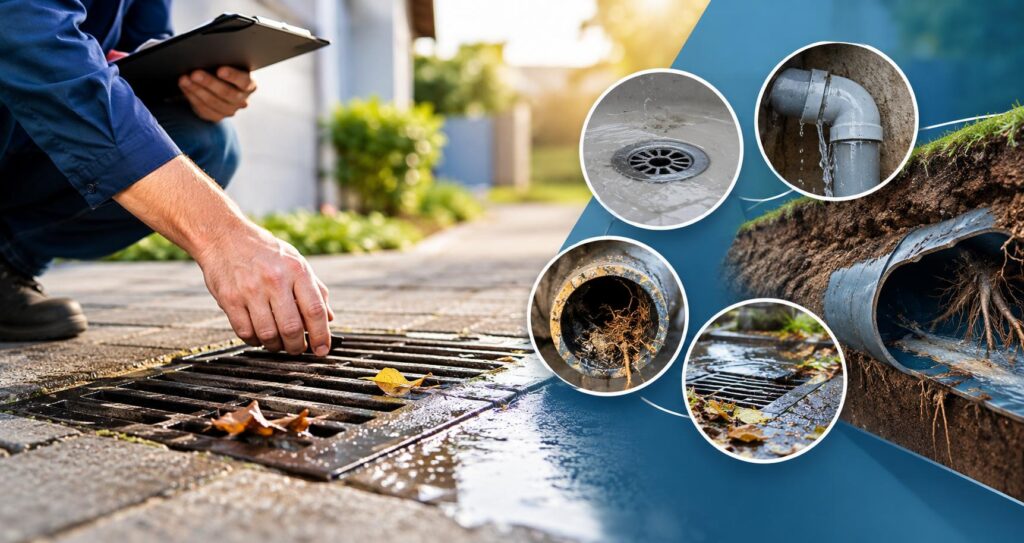
A home’s drainage system is easy to overlook when everything is working as it should. Water disappears down the plughole, toilets flush properly and rainwater flows away without a second thought. Yet, when something goes wrong, even a small drainage issue can quickly become an inconvenience. Knowing what to look for can help homeowners recognise early warning signs and deal with problems before they develop into more serious repairs.
The Early Warning Signs to Look Out For
One of the first signs of a drainage problem is water draining more slowly than usual. A bath that takes longer to empty, a kitchen sink that repeatedly fills with water or a shower tray that leaves your feet standing in water may indicate a partial blockage. Hair, soap residue, cooking grease and food particles can gradually build up inside household pipes, restricting the flow of water.
A single slow drain may have a straightforward explanation, but several affected fixtures can suggest a problem further along the drainage system. If sinks, toilets and baths begin showing similar symptoms, it is worth investigating rather than repeatedly relying on temporary solutions.
Unpleasant Smells and Unusual Sounds
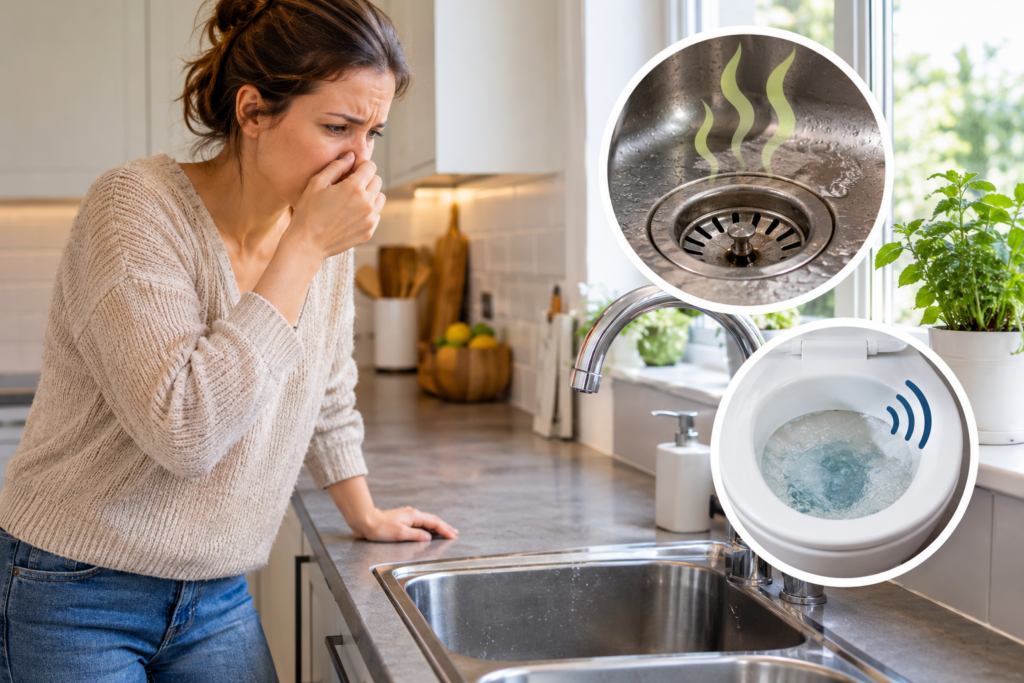
Persistent unpleasant smells coming from plugholes or outside drains should not be ignored. Although a build-up of residue can sometimes cause odours, smells resembling sewage may indicate a more significant drainage issue. If cleaning the affected area does not help, the cause may lie deeper within the pipework.
Listen for unusual gurgling sounds when water drains away or when a toilet is flushed. These noises can occur when air is moving through the plumbing system because the flow is restricted. Gurgling alone does not confirm a blockage, but when combined with slow drainage or unpleasant smells, it is a useful reason to investigate further.
Why Small Blockages Should Not Be Ignored
A minor blockage can become more troublesome if waste continues to collect around it. Water may eventually back up into sinks, baths or toilets, while an external drain may overflow. In some circumstances, persistent drainage problems can contribute to damp conditions, unpleasant contamination and damage to surrounding areas.
Homeowners noticing recurring issues should arrange a suitable inspection instead of repeatedly treating the symptoms. For those experiencing Blocked drains in Kent, professional assessment can help identify the source of the problem and determine the appropriate way to clear it.
Check External Drains and Rainwater Flow
Drainage problems are not always confined to the inside of a property. External inspection covers can sometimes reveal standing water, unusual deposits or signs that wastewater is not flowing away properly. An unpleasant smell near an inspection chamber or water collecting around a drain may also warrant attention.
Heavy rainfall can expose problems with gullies, surface water channels and rainwater pipes. Leaves, mud and other debris can obstruct grates, preventing water from draining away efficiently. Keeping accessible grates clear of leaves and garden debris is a simple maintenance task, particularly during autumn and after storms.
However, do not lift heavy inspection covers or enter a drain to investigate. If wastewater is overflowing, avoid contact with it and seek professional assistance. Where a problem involves several drains or keeps returning, a more thorough assessment may be needed to establish whether there is a deeper obstruction or damage to the pipework.
What Causes Drainage Problems?
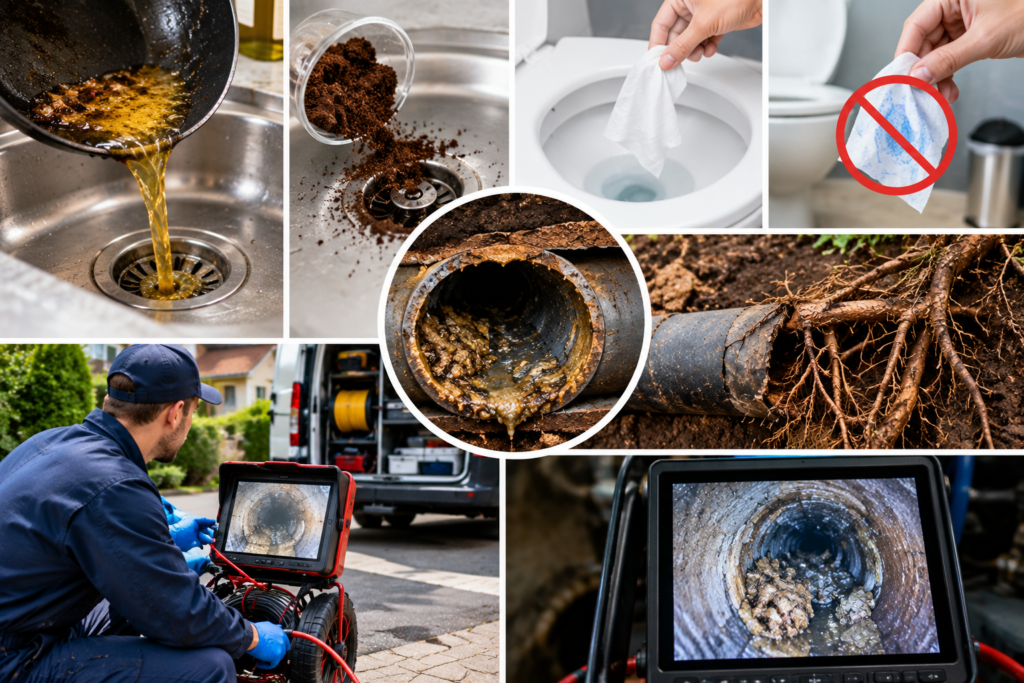
Everyday household habits can play a significant role. Pouring cooking fat or oil into a sink may seem harmless while it is warm and liquid, but it can cool and solidify inside pipes. Coffee grounds, food scraps, sanitary products and wipes can also contribute to blockages when disposed of incorrectly.
Older pipework may present different challenges. Cracks, displaced joints, accumulated deposits and tree roots entering damaged pipes can all affect drainage. A recurring blockage may therefore be a symptom of an underlying fault rather than simply a build-up of household waste.
When a problem cannot be resolved through straightforward maintenance, Drainage Specialists in Kent can assess the situation and advise on suitable next steps. Depending on the symptoms, this may involve specialist clearing equipment or a CCTV drain survey to examine the inside of the pipe and locate the cause.
Simple Habits That Help Prevent Future Problems
A few sensible habits can reduce the likelihood of common drainage issues:
- Dispose of cooking fats correctly. Allow them to cool and place them in the appropriate household waste rather than pouring them down the sink.
- Use suitable plughole strainers. These can catch hair and food particles before they enter the pipework.
- Keep toilets for their intended purpose. Only flush toilet paper and items suitable for disposal through the toilet. Wipes labelled as flushable can still contribute to blockages.
- Maintain outdoor grates. Remove leaves and loose debris from accessible surface water grates where it is safe to do so.
- Pay attention to recurring symptoms. Repeated slow drainage, gurgling or unpleasant smells deserve further investigation.
- Avoid excessive chemical drain cleaners. These products may not resolve the underlying cause and can present risks if used incorrectly.
Prevention does not guarantee that a drainage system will never develop a fault, but sensible maintenance can help identify problems sooner and reduce avoidable strain on household pipework.
When Is It Time to Call a Professional?
If a drain remains blocked after simple, safe maintenance, or the same problem returns regularly, professional help is advisable. Multiple slow drains, sewage smells, wastewater backing up or an overflowing external drain can indicate an issue that needs prompt attention.
The key is to act on the warning signs rather than wait for a complete blockage. Early assessment may help establish whether the problem is a local obstruction, a damaged pipe or an issue with the wider drainage system. It also helps homeowners understand what work is necessary before committing to repairs.
A well-maintained drainage system rarely attracts much attention, and that is precisely how most people prefer it. By recognising changes in water flow, taking care with household waste and responding promptly to unusual smells or sounds, homeowners across Kent and Sussex can protect their properties from avoidable disruption and help keep everyday life running smoothly.


