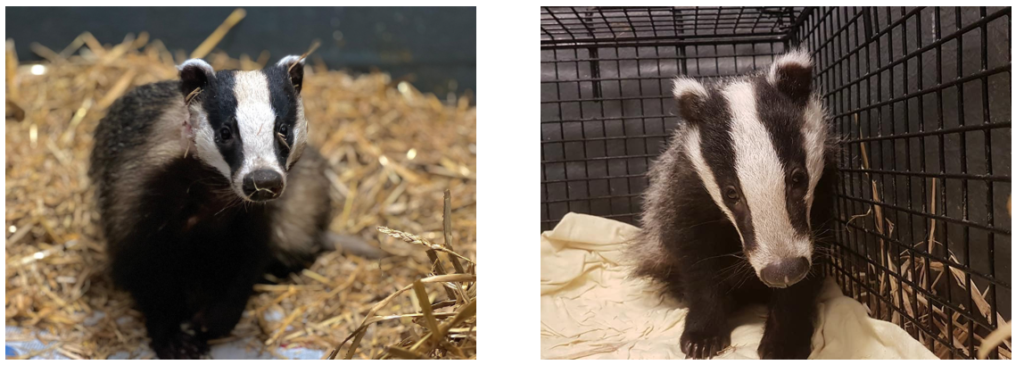
East Sussex Wildlife Rescue and Ambulance Service has dealt with a worrying rise in badger casualties, highlighting the dangers faced by one of Britain’s most recognisable wild mammals.
National Badger Day took place earlier this month, providing an opportunity to celebrate these fascinating animals and raise awareness of the threats they face as their habitats increasingly overlap with human activity.
For wildlife rescuers in East Sussex, however, badger welfare is a concern throughout the year. Figures from East Sussex Wildlife Rescue and Ambulance Service (WRAS) reveal that the organisation has responded to 276 badger casualties across its area since 2021. More worryingly, this year has already proved particularly challenging.
By 4 October, WRAS had dealt with 57 badger casualties in 2026. According to the organisation, this was more than the total recorded in any complete year covered by its records and represented a 50 per cent increase on the same point last year.
Road Accidents Are a Major Threat
Badgers are a familiar sight in the British countryside, but living alongside roads, buildings and other human developments can put them at considerable risk.
According to East Sussex WRAS, road casualties are the most frequently recorded reason for badger rescues, accounting for more than one in four cases. Collisions with vehicles can leave badgers seriously injured, while those that survive may be left stranded and unable to return to their setts.
Roads are not the only danger. Rescuers are also called to badgers that have become trapped inside buildings or enclosed compounds, fallen into drains, or become entangled in fencing and netting.
Other incidents involve collapsed or injured animals, orphaned cubs and badgers displaying unusual or concerning behaviour.
These situations can require considerable time and specialist expertise to resolve safely, particularly when an animal is trapped in a confined space or injured in an inaccessible location.
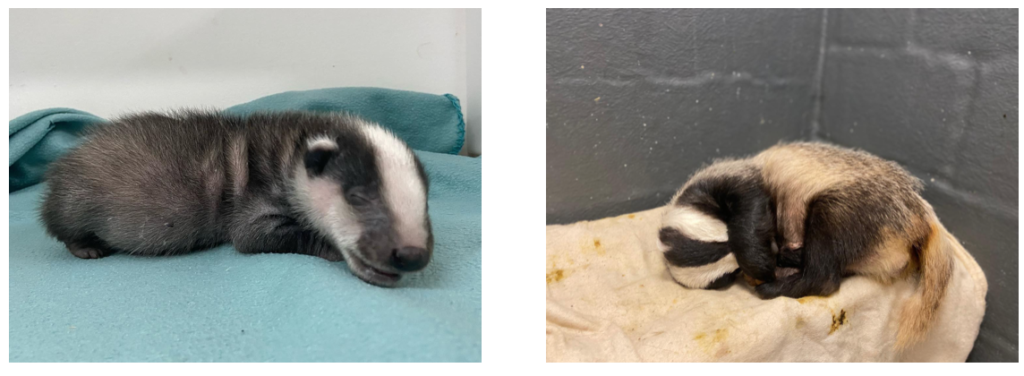
Spring and Early Summer Are Particularly Busy
Badger rescues tend to increase during the spring and early summer, with almost 40 per cent of cases recorded by East Sussex WRAS occurring between April and June. May is normally the organisation’s busiest month for badger incidents.
This seasonal pattern coincides with the period when young badger cubs are growing and becoming more active. Cubs that are orphaned or separated from their mothers may need specialist assessment and care.
The figures also serve as a reminder that wildlife emergencies are not confined to remote countryside locations. Badgers live in a variety of landscapes, including areas close to villages, roads and residential properties.
As development and transport networks affect the countryside, encounters between wildlife and people can become more frequent.
Why Badger Rescues Require Specialist Help
Badgers may look like rather stocky, harmless members of the British countryside, but they are immensely strong wild animals. Attempting to handle one without the right equipment and training can put both the animal and the person at risk.
East Sussex WRAS rescuers need specialist equipment, experience and careful planning to deal with badger emergencies. Some call-outs take place late at night or in difficult conditions, when locating and safely reaching an injured or trapped animal can be especially challenging.
The aim is to minimise further stress or injury while ensuring the badger receives appropriate assistance.
This is why members of the public are advised not to attempt to capture, handle or move an injured badger themselves.
What Should You Do If You Find an Injured Badger?
If you come across a badger that appears injured, trapped, collapsed or in immediate danger, there are several practical steps you can take.
- Keep your distance. An injured badger may be frightened and defensive, even if it appears weak or unable to move.
- Keep dogs away. This helps prevent further distress or injury to the badger and reduces the risk to pets.
- Do not attempt to handle or move the animal. Badgers are powerful and can inflict serious bites if they feel threatened.
- Contact a wildlife rescue service. Explain where the animal is, what you have observed and whether it is trapped, injured or in immediate danger.
- Follow the rescuer’s advice. If possible, observe the animal from a safe distance until help arrives, without blocking its escape route or approaching it.
If you are unsure what to do, the Badger Trust can provide information about badger welfare and where to seek advice.
Supporting East Sussex’s Wildlife Rescuers
Behind every rescue is a team of people prepared to respond when wildlife gets into trouble. Their work can involve difficult journeys, specialist equipment and considerable time spent helping animals that cannot survive without assistance.
East Sussex WRAS depends on donations to keep its ambulances on the road and maintain its rescue service. With the number of badger casualties already recorded this year exceeding the total for any complete year in the period covered by its records, the need for a capable local wildlife rescue service is clear.
Anyone wishing to support its work can find further information through the East Sussex WRAS website.
National Badger Day may have passed, but the challenges facing these animals continue throughout the year. By driving carefully in areas where wildlife is present, securing potential hazards such as loose netting, and seeking professional help when an animal is in trouble, we can all play a part in protecting the badgers that share our countryside.
For East Sussex’s badgers, a little more awareness from the public can make a meaningful difference.


