As a five-year-old boy I spent many hours sitting in a wooden balcony with my maternal grandmother Giovanna in Falzon Street as she recited the Rosary or recounted stories of her own childhood – and no doubt lamenting that times have changed!
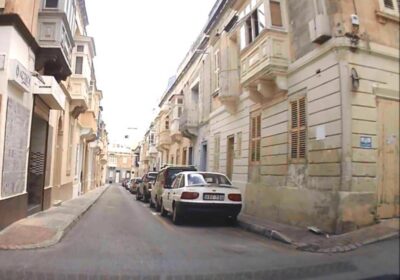
I am now 80 and have forgotten many things, but strangely enough my detailed surrounds of Falzon Street, Sliema, Malta remain crystally clear – all of which have now disappeared.
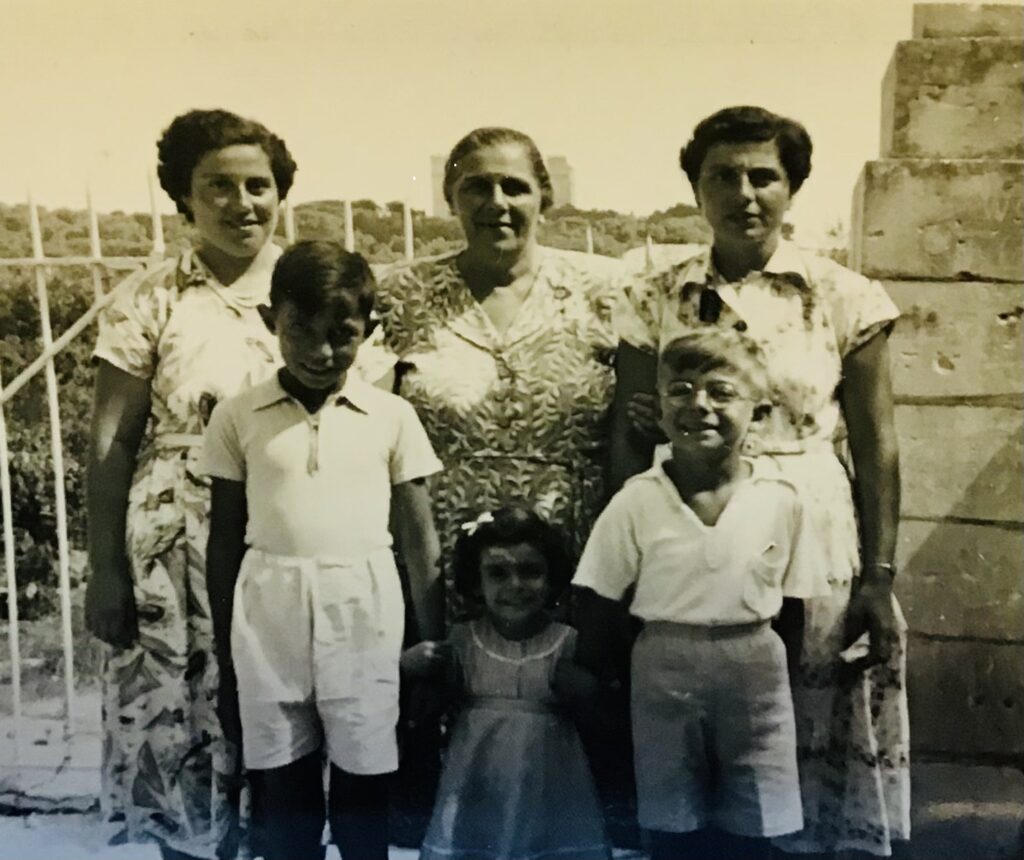
On the corner with St James Street, which was the home-depot for the Savoy-Sliema buses, was a small convent school which I attended for a few weeks as a five-year-old but is now no longer there.
The street bully was Bagigi, a stocky, powerfully-built man who always wore shorts and walked up and down Falzon Street challenging all for a fight, but always ignored by all.
Entering Falzon Street, the first corner was with St Charles Street where my paternal grandparents lived. Shop-keeper Mary had a small shop on the corner selling general items like clothes pegs, sewing needles and various decorative ornaments.
Walking down the street on our side pavement, there was Lucy, a sexy lady of ill-repute who had various children from different boyfriends. Our house was No 9 and next door No 10 lived Guzi, a Police Sergeant with his wife Helen and their three children.
On the opposite pavement there were the Pecorella sisters, two posh sisters who had no relationships with anybody else around them. Alongside was Lucy and Joe with a bar, frequented by a massive lady known as Mary Man, always dressed in black and with distinct male features and without hesitation in needing to knock a man down to the ground with a solid punch.
The general grocer on the corner was Gullajmir where I visited daily to make essential purchases for my grandmother, like varieties of ham and mortadella, tomato puree, chicken cubes and other general groceries.
One of the inhabitants was Elizzew, an elderly retired cobbler who was a daily target for us disrespectful children. We would follow him and call him names and he would angrily shake his fists at us and verbally send us packing.
To top it all, the Marasouli family lived on the corner, a family of general tinkers, a mother and her two sons, who collected anything going, arranged and recycled.
Thus, I am sick and tired of hearing people of my elderly age group lamenting that “Malta has changed”. Well, of course it has – the whole world has changed! The classic case is of a visitor who came here 50 and 60 years ago and comes out with the classically obvious statement “Malta has changed”.
Yes, well, I expect it has – how strange. While the whole world has changed, Malta is expected to have stood still, sheep and goats still roaming around the roads and fresh vegetable vendors still trudging the streets and alley ways with their mule and cart.
Wonders of wonders; Malta now has supermarkets, dairy milk, long-life milk, cream milk and non-fattening milk and in addition frozen vegetables are available!
It is also digital with A1, Whatsapp and everything else. Wonders will never cease!
The world has been changing since the advent of man, slowly and painfully down through the centuries but now at breathtaking pace while technology changes not by the day, or by the hour – not even by the minute, but at every second.
Man is generally romantically inclined in that the past is remembered to have been perfect and the present full of woes and eyesores.
One current burning issue throughout the Maltese Islands is building and development, that is, over-building and over-development. Fifty years ago this was mainly horizontal and with the population explosion more rural areas were becoming urban zones on islands where space is a highly valued premium.
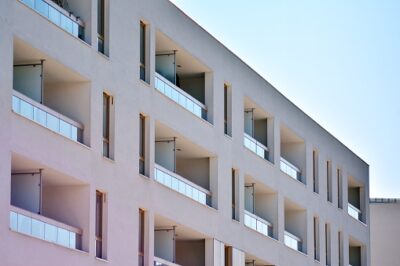
With the current even greater population explosion, there has been a rapid switch to vertical development and height and whereas in the past Maltese and Gozitan houses were of character, today they are a series of vertical box apartments stacked on each other, casting long shadows all around them and all topped by mythical penthouses made mainly of glass.
Right, so change is inevitable and it is useless lamenting on what used to be and it is also inevitable that what was picturesque in the past is on the way out and in comes the faceless new.
One of the splendid features of Maltese houses was their balconies – an essential essence of the Mediterranean region, and in Malta reflecting the general trends and designs of the Mediterranean region.
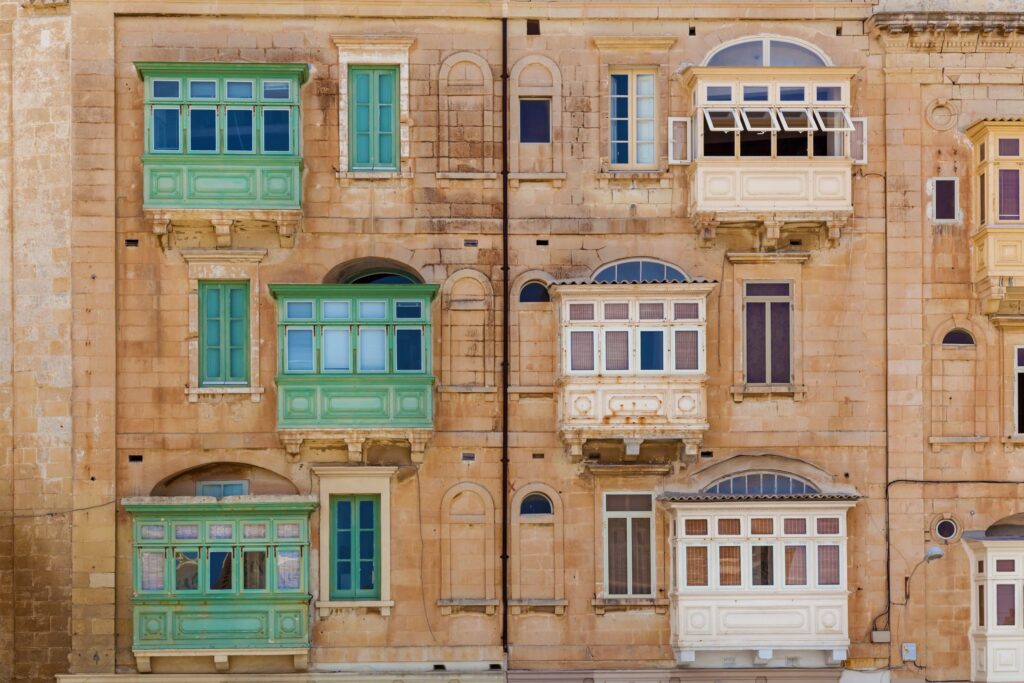
Wooden balconies were colourfully splendid, outstanding features providing a spy hole on all of the surrounding neighbourhood but also providing sunshine, fresh air and shade, as well as a source of relaxation.
Other balconies were constructed of stone, splendid and elaborately sculptured and decorated. Plants flourished in them and during festive occasions, colourful celebration drapes and flags were hung.
Yet others were more open air with wrought-metal railings on a highly sculptured stone platform.
All that has been lost in new development; balconies still adorn apartments but they have become anonymous and identical glass boxes and do not even have a semblance of feature.
More problematically, the upkeep and maintenance of the old-time balconies has become expensive. Wooden ones have to be stripped and sanded regularly, treated and then repainted; metal elements too have to be treated regularly for de-rusting and painting.
How wonderful too on stormy, rainy days to sit there under safe shelter and watch the driving rain cascading on the street below as pedestrians scurried about trying to maintain hold of their umbrellas.
Inevitably too, there is little opportunity in today’s world to sit with my 13-year-old grandson Gabriel and recount to him stories of my own boyhood. Not only are they irrelevant to him, but he is always too busy fiddling around with his tablet anyway and has no time to spare to listen to the irrelevancies of an old man from a bygone era.
That is our world today.


