On 27th April, 1942, at the height of World War II, the Royal Navy’s submarine HMS Urge left the Malta submarine depot base for Alexandria. The time was the height of the German and Italian naval and aerial siege around Malta, particularly at sea but simultaneously accompanied by almost constant aerial bombardment.
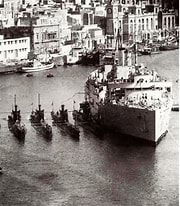
The misery and heartbreak of World War II around the Maltese Islands
The continual aerial bombing was so intense it led King George VI to make an unprecedented award to the Maltese Islands – the George Cross for bravery. This was made on 15th April, 1942 – 12 days earlier than the submarine’s departure.
In that spring of 1942 the Maltese Islands were so intensely bombed that the Royal Navy’s 10th Submarine Flotilla, more commonly known as the Fighting Tenth, were ordered to leave Malta and set up a new base in Alexandria, in Egypt.
German and Italian bombing of Malta had damaged the Malta base of the Submarine Flotilla so severely that it made it impossible for operations to continue – despite the many successes achieved against Axis vessels supplying Rommel’s Africa Corps in North Africa.
The submarines were ordered to depart periodically leaving a number of hours in between their departures.
HMS Urge was one of the most successful in the submarine fleet and its time had come for departure and this would have allowed her crew some respite from the most intense warfare experienced by British submarines in WW2.
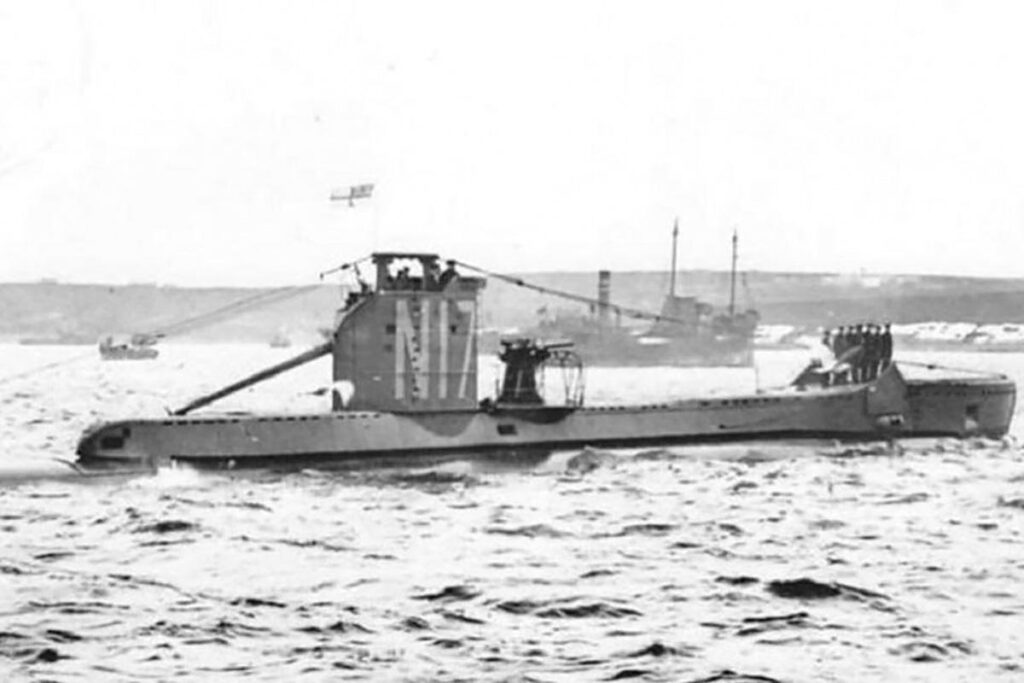
Thus, on that fateful and fatal day of 27th April, 1942, HMS Urge sailed into open waters with a crew of 32 but also carrying 11 other naval personnel and a journalist to her destination of Alexandria.
Fate dictated otherwise and in her path she sailed into and struck a mine laid by German E boats on her course in the channel out of Malta. She sank quickly with no survivors, was never seen again and despite the passage of so many years, had not been located.
Six years ago it was announced that a marine archaeology survey team from the University of Malta, working in co-operation with Malta’s Superintendence of Cultural Heritage, had located the wreck of HMS Urge off the coast of Malta.
Results from this search established beyond doubt that on that day HMS Urge struck a German mine and sank. The wreck of the submarine was found standing upright and proud at a depth of 108 metres on the seabed, her deck gun facing forward.
Malta’s Professor Timmy Gambin, from the University’s Department of Classics and Archaeology, led the survey team, whose discovery finally resolved the question of how one of Britain’s most successful WW2 submarines was lost 77 years earlier – 82 years ago todate.
Commenting on the discovery Gambin said that “the damage to the bow shows a very violent explosion where the entire bow section is detached from the rest of the submarine, indicating that the sub would have sunk very fast giving no chance to anybody to survive from this tragedy.”
Spellbinding images taken of the submarine show her standing defiant while accommodating a multitude of marine life, maintaining the vigilant stance for which she was so widely acclaimed. The bows of the submarine lie buried in the seabed following the impact of her descent from the surface.
“Besides the damage on the bow, the wreck it was in absolutely fantastic condition; sitting upright on the sea-bed, very proud, in the direction that it was ordered to take on its way to Alexandria. It was actually quite a poignant vision to see this submarine still upright and proud”, said Gambin.
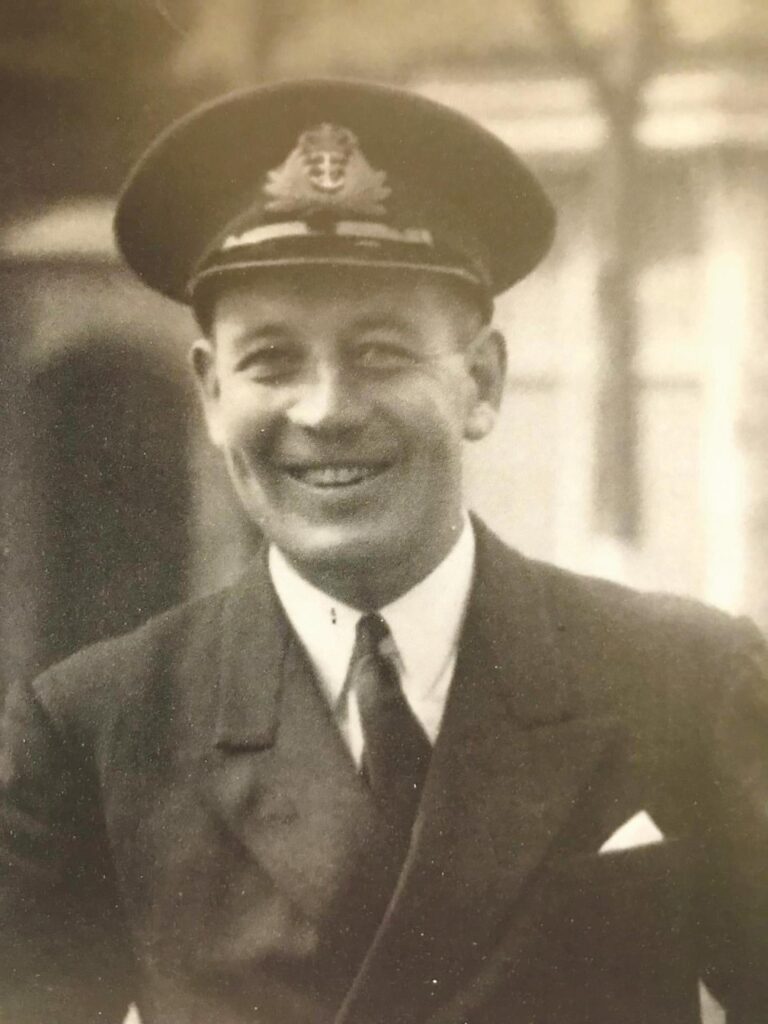
The captain of the submarine was Lieutenant-Commander EP Tomkinson, DSO, RN. The submarine earned renown for successfully attacking an enemy battleship, cruiser, and merchant ships.
HMS Urge had also landed British commandos in special operations; she had also participated in secret missions involving British Secret Intelligence Service agents on enemy coasts.
Her disappearance and final destination in 1942 had long been a mystery and was originally thought to have been off the Libyan coast.
Having reviewed materials relating to the discovery, the UK Ministry of Defence approved the research project’s conclusion that the wreck discovered was that of HMS Urge.
The wreck site is now a war grave and is protected under Maltese and international legislation.

The crew of HMS Urge had formed bonds with the people of Malta. A memorial and public information on HMS Urge was held in April 2020 on the 78th anniversary of the loss and the occasion administered by Lieutenant-Commander Tomkinson’s daughter, Bridget Dickinson, in memory of her father and the tremendous loss of HMS Urge.
Albert Fenech


That’s a fascinating story. It’s incredible to think about a ship like that remaining undiscovered for so long – a real piece of history.