By Albert Fenech 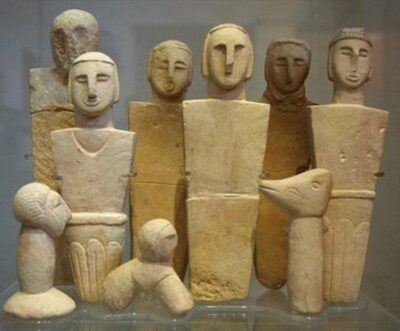
As I have written time and again, and once more do so with great pride and feelings, Malta’s National Museum of Archaeology in the capital city Valletta (in Maltese “Mużew Nazzjonali tal-Arkeoloġija”) encapsules not only the history of the Maltese Islands of Malta and Gozo but also reflects the development of history in Europe as well as around the world.
It is replete with valuable remains from prehistoric times, the Phoenician times and also houses a notable numismatic collection and is Government managed by Heritage Malta which ensures the updating of all of Maltese history and continues to do so.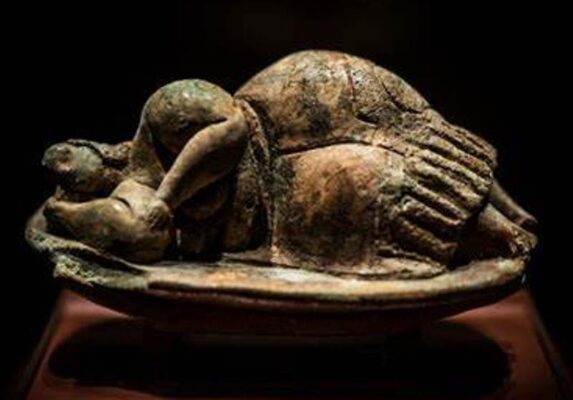
When Valletta was built in 1565 by Knights Hospitalier Grandmaster de la Valette ir was replete with auberges reflecting the many various nationalities of the Knights such as the Auberge de Castile, the Auberge de Aragon, the Auberge d’Italie etc and many are still evident and standing today.
From the late 1950s onwards and the election of the late Dom Mintoff as Prime Minister, Malta began to make important changes. He appointed Malta’s first female Minister in the late Agatha Barbara who later was also appointed as Malta’s first female President.
Agatha who was Minister for Education in 1958 declared the Auberge de Provence as Malta’s National Museum. The museum originally included the archaeological collection on the ground floor and fine arts on the first floor.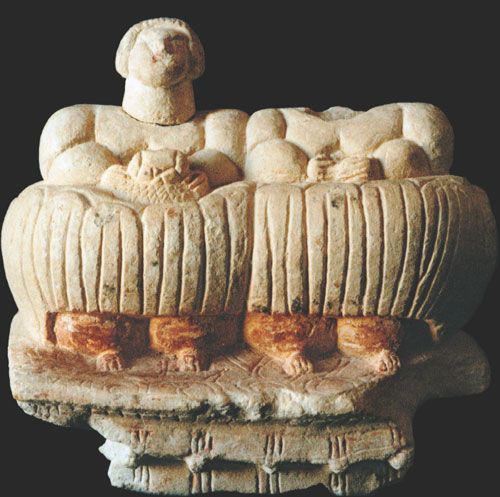
The first Curator was Captain Charles G. Zammit, the son of the eminent Maltese archaeologist Sir Themistocles Zammit.
In 1974, the fine arts collection was moved to the National Museum of Fine Arts which had just been established in the Valletta Admiralty House building and was hence renamed the National Museum for Archaeology.
The museum was refurbished and upgraded in 1998. Objects were placed in climate-controlled displays so that the exhibition met with current conservation standards.
The Auberge de Provence is one of Valletta’s many baroque buildings in Republic Street and was built for the Order in 1571, shortly after Valletta was built and inaugurated.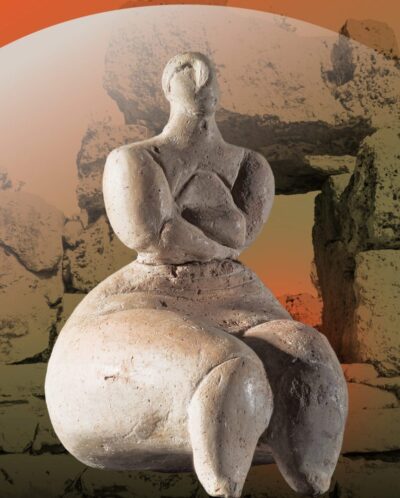
It was designed by the Maltese architect Girolamo Cassar who directed the building of most important buildings in the early days of Valletta. The building was subject to various alterations during its history, including of which extensive reconstruction of the façade to include shops at ground floor level during the early seventeenth century.
The Gran Salon on the first floor is the most ornate room in the building. The Knights used it for business discussions, and as a refectory and banqueting hall, where they sat at long tables according to seniority.
When Napoleon Bonaparte was expelled from Malta in 1798 the Auberge was leased to the Malta Union Club. Though the lease was to expire in 2002, on 12th August 1955 the Auberge was assigned to house Malta’s National Museum.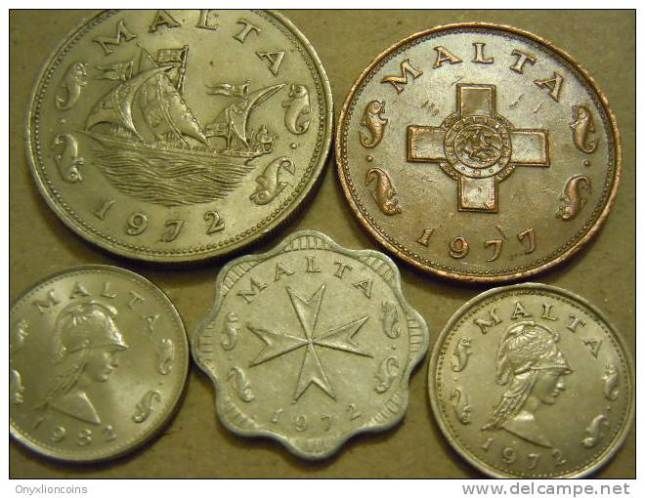
The collection is extensive and covers the centuries of changes and adaptations of the Maltese Islands.
The ground floor of the museum exhibits prehistoric items from the 5200 BC period when the first traces of human habitation are found on the islands and is known as the Ghar Dalam phase.
These are housed in the Early Neolithic Period Room, a room which exhibits items from the early Neolithic Period, including decorated pottery from the Ghar Dalam, Grey Skorba, Red Skorba and the Zebbug phases.
Of particular importance are the Red Skorba figurines, the earliest local representations of the human figure and the predecessors of the statues of later temple periods.
Other periods have their own sections and halls and these include the Temple Period Rooms (3800–2500 BC), the Bronze Age Hall (2400 – 700BC), the Cart-Ruts Room (pre-history and subject to much speculation which extend into the sea and leading to speculation that at one stage Malta was linked to the rest of central, Europe and the Phoenician Hall, Europe),
In addition, on the top floor is the National Numismatic Collection stemming from a donation bequeathed by Prof. Salvatore Luigi Pisani (1828–1908) in 1899, the collection has continued to grow and now consists of more than 16,000 coins, commemorative medals and dies.
The coins are testimony to centuries of foreign rulers, almost each imprinting their gods, themselves or their coats of arms on local coinage.
The collection boasts coins from each occupation Punic, Roman, Byzantine, Muslim, Norman, Aragonese, the Order of St John and British.


That’s a fantastic museum, I visited Valletta last year and was really blown away by the artifacts they had on display.