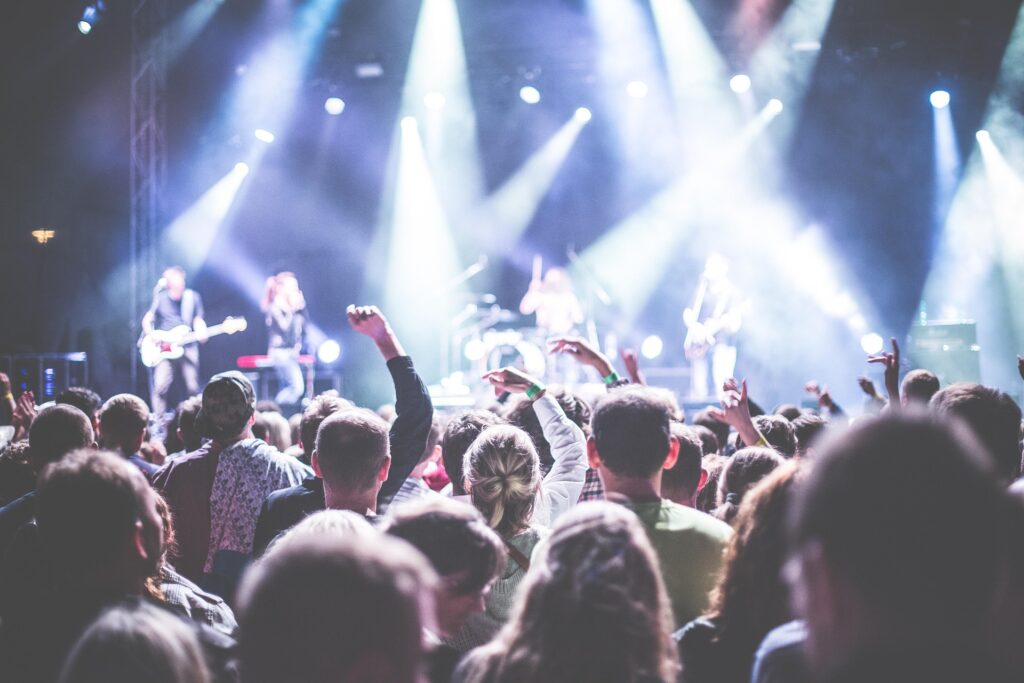
Local entertainment events compete for attention with restaurants, streaming, nightlife, festivals, and dozens of other ways people can spend their free time. A recognizable theme or strong performer may get people through the door, but the overall experience determines whether they remember the event and return.
The strongest local events are usually built around small details that work together. Programming, layout, lighting, audience participation, photography, food, and even the way guests enter the venue can make an ordinary community event feel deliberately designed.
1. Give the Event a Clear Identity
Start with one simple idea that explains what makes the event different.
A live music night could focus on emerging regional artists. A film event might feature independent productions connected to Kent or Sussex. A historical venue could combine performance with storytelling about the building or surrounding area.
Use that idea to guide the visual design, entertainment schedule, signage, and promotional material.
Avoid adding activities simply because there is empty space. Every element should support the experience you are trying to create.
2. Create Something People Can Remember Afterwards
Events disappear quickly if the only record is a few phone photos buried in a camera roll.
Build photography into the experience. Designate a good photo location, document performances properly, and collect images of performers, displays, food, audiences, and behind-the-scenes preparation.
For recurring festivals, arts groups, theaters, and community organizations, photo books can turn those images into a physical record of previous events. They can also serve as portfolios when approaching future venues, sponsors, performers, or community partners.
Think about documentation before the event instead of assigning someone to take random pictures after guests arrive.
3. Design the Schedule Around Audience Energy
Programming affects how long people stay.
Avoid putting every major attraction into one short period unless the event depends on a single headline performance.
Spread stronger activities across the schedule so visitors have reasons to remain at the venue.
For example, a daytime community event might alternate live performances, demonstrations, short workshops, and interviews rather than leaving long gaps between stage acts.
Publish approximate timings clearly.
Visitors are more likely to explore smaller activities when they know they will not miss the main performance.
4. Create Smaller Experiences Inside the Main Event
A large open space can sometimes make an event feel less active, particularly when attendance fluctuates throughout the day.
Break the site into smaller areas with distinct purposes.
Possible Zones Include
- Main performance area
- Food and drink section
- Children’s activities
- Workshop or demonstration area
- Local artist displays
- Quiet seating
- Photo area
- Merchandise or maker stalls
The zones should still feel connected.
Use signage, lighting, repeated colors, or consistent materials to make the whole site feel like one event rather than unrelated activities sharing a venue.
5. Make Local Participation Part of the Program
A local event becomes more distinctive when visitors cannot experience exactly the same thing somewhere else.
Work with nearby performers, independent food businesses, artists, craftspeople, historians, or community groups where they fit the concept.
The emphasis should be on relevance rather than filling stalls.
A local illustrator creating live portraits may add more to an arts event than a generic vendor. A nearby producer offering tastings could work naturally at a food or heritage event.
Give participants a clear brief so their contribution supports the overall theme.
6. Plan for Audience Participation
People remember events differently when they participate rather than only watch.
Participation does not need to mean putting visitors onstage.
Interactive exhibits, voting, demonstrations, workshops, competitions, question sessions, collaborative artwork, or simple challenges can make the audience part of the program.
Keep the instructions obvious.
If an activity takes several minutes to explain, visitors walking past may ignore it.
Staff should also know how many people the activity can handle at once so queues do not block other parts of the venue.
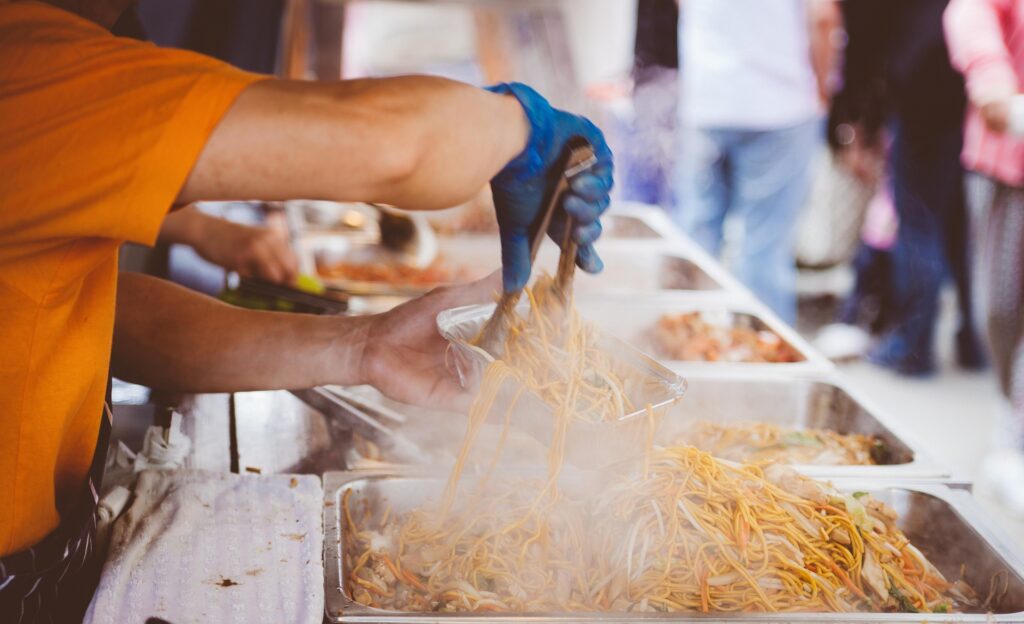
7. Treat Food and Drink as Part of the Experience
Food should match the scale and timing of the event.
A two-hour evening performance needs a different setup from an all-day festival.
Estimate demand from ticket numbers or previous attendance and discuss service capacity with vendors in advance.
Long food queues can affect the rest of the schedule because visitors may miss performances while waiting.
Place vendors where queues can form safely without blocking entrances, stages, seating, or main circulation routes.
If possible, include a mixture of quick-service choices and places where visitors can sit longer.
8. Use Lighting to Give the Venue Character
Lighting changes how an event feels after dark and can also help separate different zones.
Functional lighting should come first. Entrances, stairs, pathways, toilets, vendor areas, and emergency routes need appropriate visibility.
Decorative lighting can then establish the atmosphere.
String lights might suit a courtyard event, while projected graphics can transform an otherwise plain wall. In bars, music areas, retro-themed nights, or entertainment venues, custom neon signs can create a recognizable focal point or photo backdrop.
Use decorative lighting selectively.
Too many competing signs, colors, and illuminated features can make the venue harder to navigate rather than more interesting.
9. Design One Strong Photo Moment
A good photo area should look intentional without creating congestion.
Consider the background, lighting, viewing angle, and how many people can use the space at once.
Place it somewhere visible but away from narrow entrances or busy food queues.
Branding can be included, but do not cover every surface with sponsor logos.
People are more likely to photograph and share something visually interesting than something that feels like an advertisement.
Also think about what the photograph looks like in a vertical phone format.
10. Plan Visitor Flow Before Opening
A great program can still feel disorganized if guests cannot move easily around the venue.
Walk through the site as if you were attending for the first time.
Check where people enter, queue, collect tickets, buy food, watch performances, use restrooms, and eventually leave.
Test Potential Pressure Points
- Entrance queues
- Narrow walkways
- Stage viewing areas
- Food lines
- Popular attractions
- Seating zones
- Emergency exits
Safety should be built into the layout from the start. The UK Health and Safety Executive recommends that organizers assess factors including event scale, audience size, venue suitability, crowd movement, contractor responsibilities, and emergency arrangements when planning events.
Do not solve circulation problems by adding signs after everything has already been installed.
11. Collect Useful Feedback
Attendance alone does not tell you why an event worked.
Track where visitors spent time, which activities created queues, when people arrived and left, and which parts of the program generated the strongest response.
Use a short post-event survey rather than a long questionnaire.
Ask what visitors enjoyed most, what they skipped, whether they would return, and what they would change.
Review operational feedback from vendors, performers, security staff, and volunteers as well. They often notice bottlenecks that visitors never report.
Make the Event Difficult to Replicate
Local entertainment stands out when it feels connected to its location and audience rather than assembled from a standard event template.
Strong programming matters, but so do the spaces between performances, the way people move around the venue, the opportunities to participate, and the details they remember afterward.
Build the event around a clear idea, use local contributors purposefully, create visual moments worth documenting, and measure what visitors actually respond to.
Those details turn a one-off event into something people recognize, recommend, and want to attend again.


