Outdoor clubs need clothing that works across training sessions, matches, weekend events, and changing weather. A shirt that feels comfortable during warm-up may perform very differently after two hours of movement, rain, or repeated washing.
The best club sportswear is chosen around the activity rather than appearance alone. Fabric weight, moisture control, fit, footwear, layering, visibility, and durability all affect how comfortably members can train and compete.
1. Start With the Main Activity
Different sports place different demands on clothing.
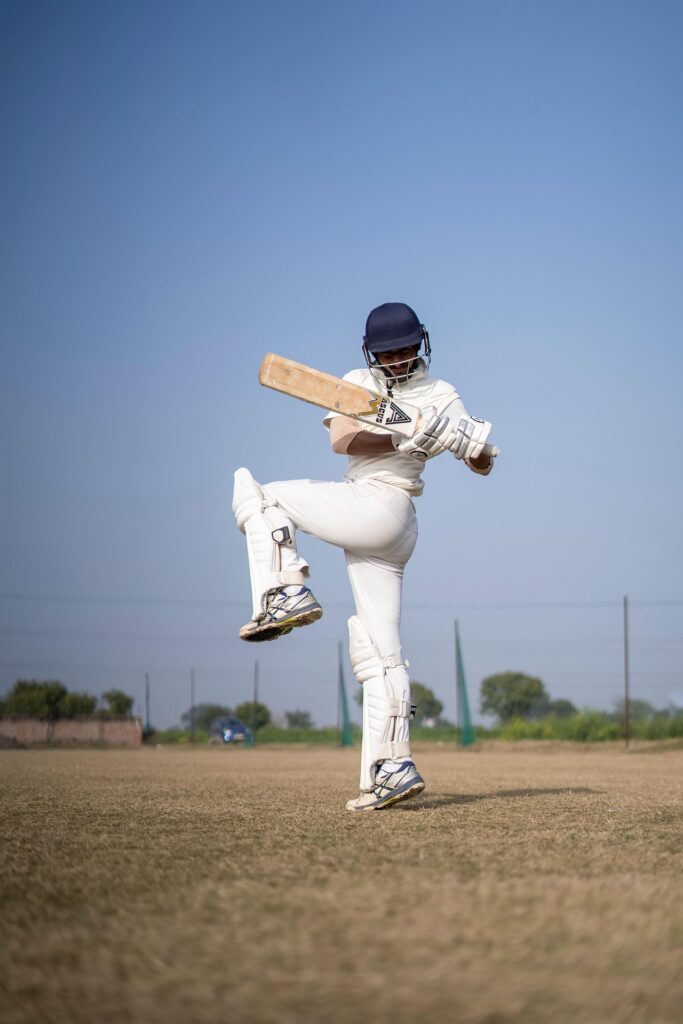
Running clubs need lightweight gear that manages heat and sweat. Cricket teams spend longer periods outdoors and may need clothing that remains comfortable through changing temperatures. Walking, hiking, cycling, and outdoor fitness groups have their own requirements.
List the movements members perform most often.
If players repeatedly sprint, bend, throw, or rotate their upper body, clothing needs enough stretch and room through those movement patterns without becoming loose or distracting.
2. Choose Team Shirts for Performance First
Club shirts are usually the most visible part of the kit, but design should come after function.
For cricket clubs, custom cricket jerseys can create a consistent team appearance while allowing clubs to incorporate colors, player details, and other identifying elements into the kit.
Before ordering, check fabric weight, sizing, seam placement, ventilation, and how the garment behaves when wet.
Test Club Shirts For
- Full shoulder movement
- Breathability
- Drying speed
- Comfortable seams
- Consistent sizing
- Resistance to repeated washing
- Space for required club identification
Order samples before purchasing an entire team set whenever possible.
3. Build a Layering System
Outdoor conditions can change during a single session.
Instead of relying on one heavy garment, clubs can use a basic layering system.
Start with a breathable base layer. Add a lightweight insulating layer when temperatures fall, then use a wind-resistant or waterproof outer layer when conditions require it.
Members should be able to remove layers easily as activity intensity increases.
Avoid bulky combinations that restrict movement. A warm jacket may work while standing on the sideline but become uncomfortable during active training.
4. Plan for Rain Without Trapping Heat
Waterproof clothing needs to balance protection and breathability.
A completely waterproof outer shell can become uncomfortable during high-intensity activity if body heat and moisture cannot escape.
For training sessions involving constant movement, a lightweight water-resistant layer may sometimes be more practical than a heavy rain jacket.
Reserve more substantial waterproof clothing for lower-intensity activities, sidelines, breaks, or prolonged exposure.
Club members should also have somewhere dry to store spare layers. A waterproof kit bag or sealed internal compartment can prevent clean clothing from becoming soaked before it is needed.
5. Account for Sun Exposure
Cloudy conditions do not eliminate UV exposure.
Clubs running longer outdoor sessions should consider lightweight coverage, hats where appropriate, and scheduled breaks during periods of stronger sun.
The Met Office guidance on UV and sun health recommends using UV forecasts to plan activities and taking protective measures such as covering up, using sunscreen, and spending time in shade when exposure is higher.
Coaches and organizers should check weather conditions before longer sessions rather than relying only on temperature.
6. Choose Shorts and Pants Around Movement
Lower-body clothing needs to accommodate the sport’s normal range of motion.
Test garments while squatting, lunging, running, and stepping rather than simply checking how they fit while standing.
Waistbands should remain secure without requiring constant adjustment.
Pockets also need careful consideration. Deep pockets may be useful during walking or club administration, while unnecessary pockets can become uncomfortable during running or competitive play.
For cold-weather training, lightweight athletic pants can provide coverage without the weight of traditional casual trousers.
7. Use Socks as Part of the Footwear System
Socks are often treated as an afterthought, but they influence comfort inside any sports shoe or boot.
Choose the thickness based on footwear fit and activity.
A sock that is too thick can make an otherwise correctly sized shoe feel tight. A very thin sock may allow excessive movement and friction.
Technical fibers that manage moisture can be useful for longer sessions.
Members prone to blisters should test their footwear and sock combination during training rather than wearing an untested setup for a competition or long-distance event.
8. Select Footwear for the Surface
The right footwear depends heavily on where the club operates.
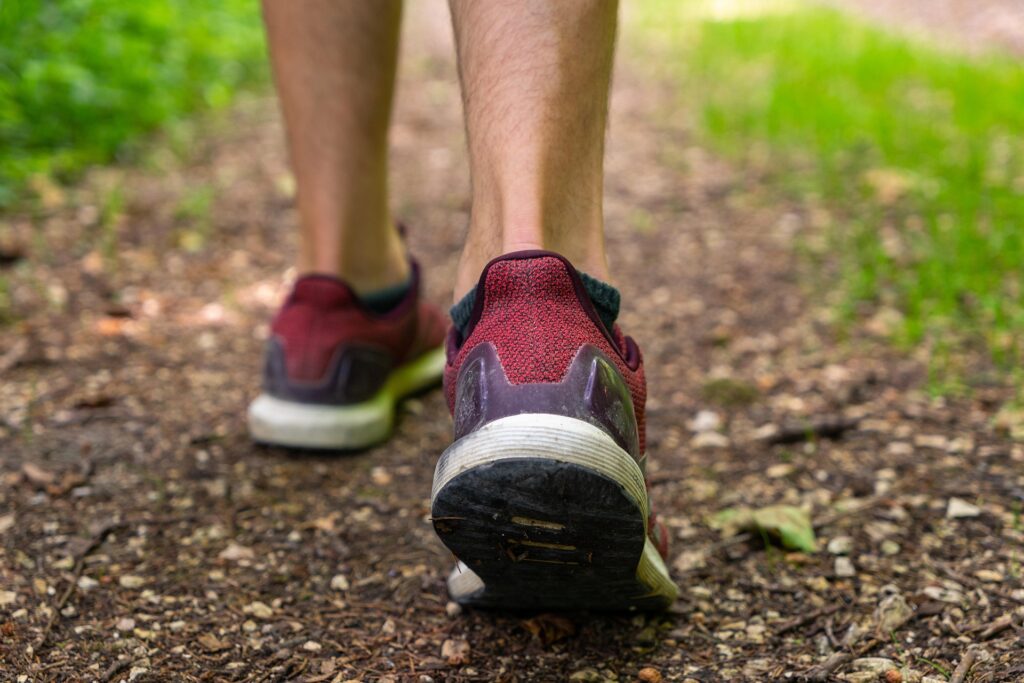
Grass, pavement, artificial surfaces, mud, gravel, and woodland trails require different levels of traction and support.
Competitive athletes should use footwear designed for their particular sport. However, clubs that also organize trail activities, rough-ground events, equipment setup, outdoor volunteering, or similar off-field work may find high grip tactical boots useful where additional traction, ankle coverage, and durable construction are appropriate.
Do not choose footwear based on appearance alone.
Check outsole pattern, fit, flexibility, weight, water resistance, and the amount of support required for the activity.
9. Add High-Visibility Gear Where Necessary
Some clubs train near roads, shared paths, parking areas, or low-light environments.
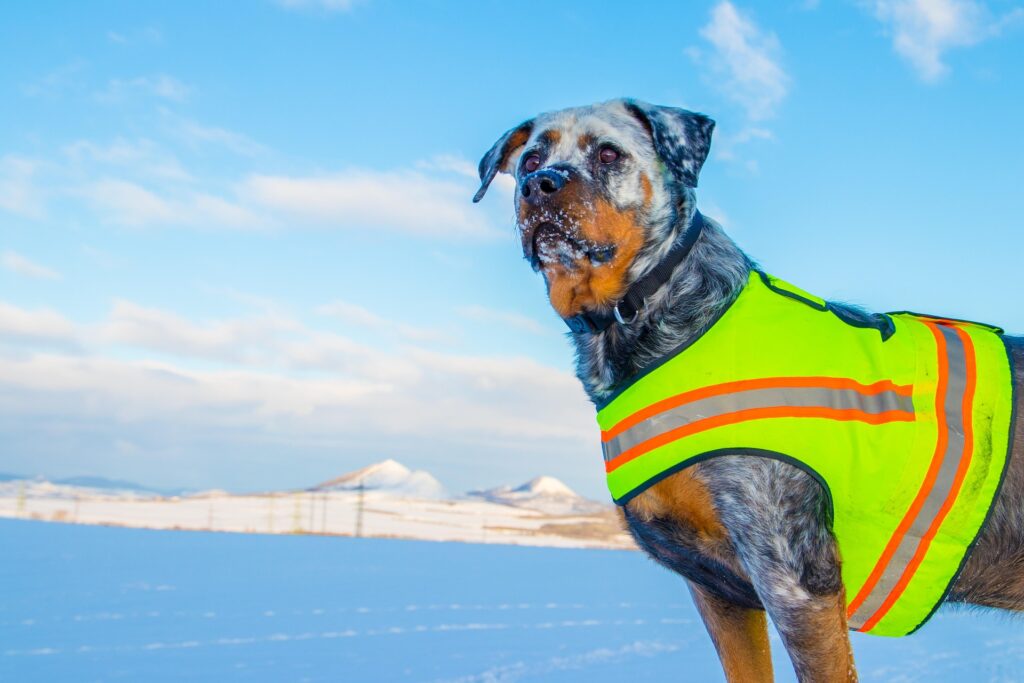
Visibility should be treated as a separate requirement from team colors.
Useful Visibility Options Include
- Reflective vests
- Reflective strips
- Bright outer layers
- Clip-on lights
- Headlamps for suitable activities
- Reflective bag covers
Position reflective elements where they remain visible while the person is moving.
Dark club colors may look good during daytime competition but become difficult for drivers and other path users to see after sunset.
10. Create a Simple Gear Standard
Not every member needs identical equipment, but clubs benefit from setting minimum standards.
Create a short guide covering required match clothing, recommended training layers, footwear expectations, weather gear, and any activity-specific protective equipment.
This is particularly useful for new members.
It prevents people from buying expensive clothing that does not suit the activity and makes expectations clearer before competitions or organized trips.
Review the standard annually as club activities change.
11. Manage Replacement Before Gear Fails
Sportswear wears gradually.
Inspect club-owned jerseys, bibs, jackets, and equipment rather than waiting until they become unusable.
Repeated washing can affect fit, printing, reflective details, and fabric performance. Footwear also loses tread and structural support over time.
Keep a small stock of common replacement sizes if the club provides uniforms.
Record purchase dates for shared equipment so replacement spending can be planned instead of becoming an unexpected cost immediately before an event.
Build the Kit Around Real Conditions
Outdoor club sportswear should solve practical problems.
Start with the activity, movement patterns, playing surface, and weather conditions. Then choose team shirts, layers, lower-body clothing, socks, footwear, and visibility equipment that support those requirements.
Test new items during ordinary training before relying on them for competition or long events.
A coordinated kit can strengthen club identity, but performance comes first. The most useful sportswear is the gear members stop noticing because it stays comfortable, moves properly, and continues working when conditions change.


